
Hobbies & Crafts for Beginners: 35+ Creative Projects You Can Start at Home
Looking for a hobby that feels creative without requiring a huge budget, a dedicated studio, or years of experience? Hobbies and crafts can be surprisingly accessible. You can begin with paper, yarn, clay, fabric, recycled materials, pencils, thread, or things you already have around the house. The key is not finding the “perfect” craft. It is finding a project that matches your available time, patience, space, budget, and personal interests.
This guide takes a practical approach to hobbies and crafts for beginners. Instead of giving you a random list of trendy DIY projects, we will look at how to choose a craft, what supplies are actually necessary, how to avoid wasting money, which projects are suitable for short sessions, and how to turn a simple activity into a satisfying long-term hobby.
You will also find more than 35 project ideas covering paper crafts, journaling, fiber crafts, decorative crafts, recycled materials, clay projects, handmade gifts, and creative activities for quiet evenings or weekends.
Why Hobbies and Crafts Are Worth Exploring
A hobby does not have to produce something impressive every time. One of the most useful things about crafting is that the process itself can be enjoyable. You choose materials, make decisions, experiment, correct mistakes, and gradually see an idea become a physical object.
That makes crafts different from many passive forms of entertainment. When you spend an hour making a greeting card, decorating a journal page, practicing stitches, shaping clay, or drawing a simple illustration, you are actively participating in the experience.
Another advantage is flexibility. Some crafts require a table and a few tools. Others can be done while sitting on the sofa. Some projects take ten minutes, while others can occupy an entire weekend.
This flexibility means there is no single “best hobby.” The right choice depends on your lifestyle.
Crafts can also provide a practical reason to learn a new skill. A beginner may start with simple paper decoration and eventually learn bookbinding. Someone who starts with basic embroidery might progress into clothing repair or textile design. A person interested in clay may eventually explore wheel pottery or ceramic glazing.
The most useful hobby is therefore not necessarily the cheapest or easiest one. It is the one that gives you enough curiosity to continue learning.
How to Choose the Right Craft for Your Personality and Lifestyle
Searching for “easy crafts” can produce hundreds of ideas, but a large list does not automatically make choosing easier. A better method is to start with your constraints.
1. Consider how much time you have
If you have only 15 minutes in the evening, choose activities that can be paused easily. Journaling, sketching, paper folding, simple embroidery, coloring, and small collage projects are convenient choices.
If you regularly have several uninterrupted hours, you may prefer pottery, sewing, model building, larger paintings, woodworking, or detailed craft projects.
2. Consider your workspace
People living in small apartments do not need to avoid crafts. Instead, look for projects that use compact materials. A box containing paper, scissors, adhesive, pens, thread, and a ruler can support dozens of projects.
3. Decide whether you prefer useful or decorative projects
Some people enjoy making things that solve a problem. They might prefer fabric organizers, bookmarks, storage boxes, repaired clothing, handmade cards, reusable bags, or decorated containers.
Others enjoy the visual process more than the finished object's usefulness. Painting, collage, abstract drawing, clay sculpture, paper flowers, and decorative journaling may be more satisfying.
4. Think about your preferred pace
Some crafts reward patience. Knitting, embroidery, miniature painting, beadwork, and detailed paper cutting can take many sessions.
If you like immediate results, try greeting cards, simple origami, painted stones, bookmarks, decorated jars, collage, or small recycled crafts.
5. Start before buying a large supply collection
A common beginner mistake is purchasing every tool associated with a craft before discovering whether the activity is enjoyable. Start with a small project and the minimum practical supplies.
Best Hobbies and Crafts for Beginners
Beginners usually benefit from crafts that provide a visible result without requiring complicated equipment. The following categories are particularly useful because they can be scaled from very simple projects to advanced work.
| Craft | Beginner Cost | Space Needed | Good For |
|---|---|---|---|
| Journaling | Low | Very small | Short creative sessions |
| Collage | Low | Small | Visual creativity |
| Origami | Very low | Very small | Learning through repetition |
| Knitting | Low to medium | Small | Longer projects |
| Embroidery | Low | Small | Detailed handwork |
| Painting | Low to medium | Small to medium | Visual expression |
| Clay modeling | Low to medium | Small | Hands-on creativity |
| Pottery | Medium to high | Medium | Hands-on makers |
| Upcycling | Very low | Small to medium | Practical DIY projects |
Paper and Journaling Crafts for Beginners
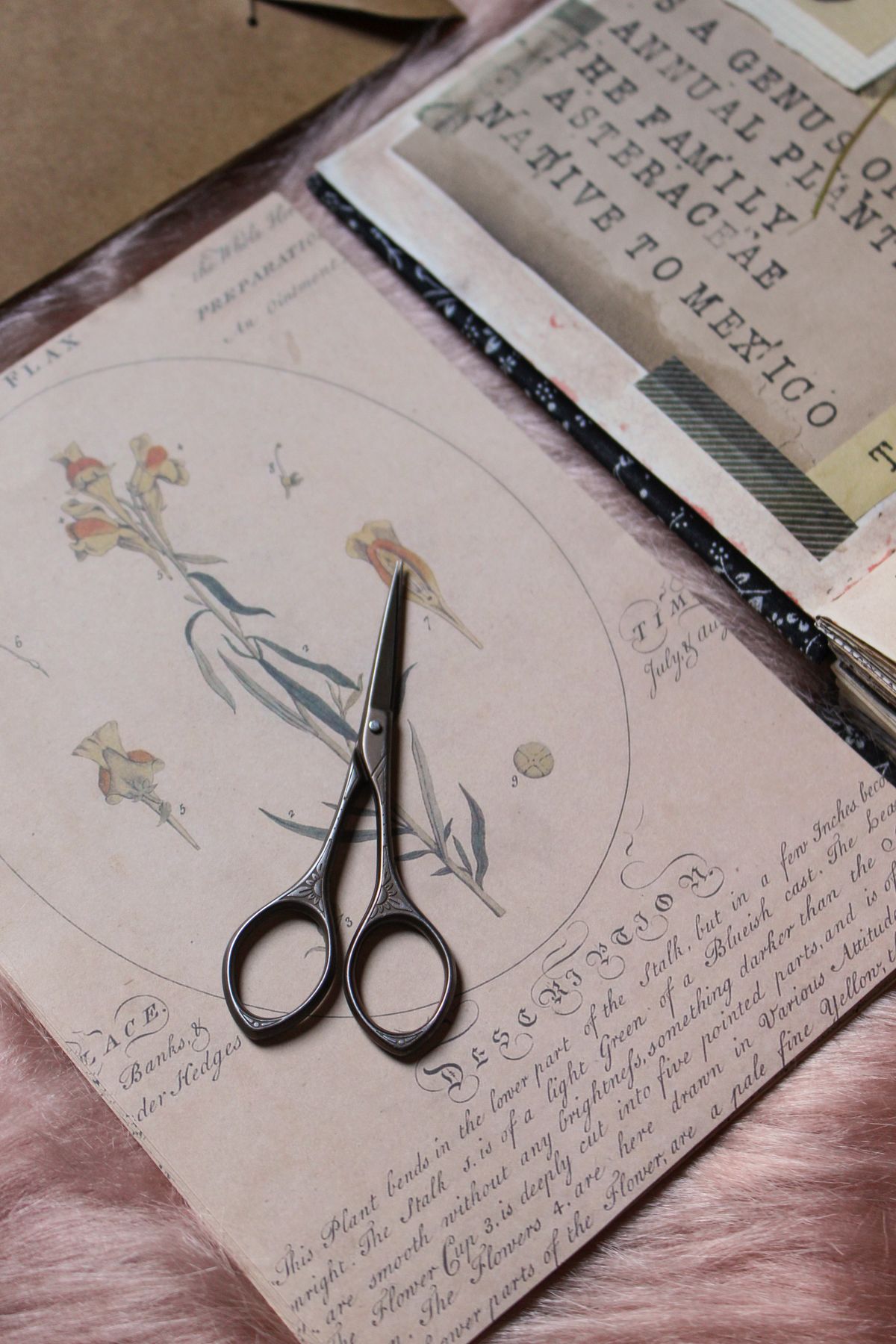
Photo concept: journaling and scrapbooking materials. Image source: Pexels.
Paper crafts are among the easiest hobbies to start because paper is inexpensive, widely available, and easy to store. You do not need a dedicated craft room. A small box or drawer can hold an impressive collection of paper supplies.
Paper crafting also offers an unusually broad learning curve. A beginner can start with simple folding or collage, while experienced crafters can explore handmade books, layered cards, paper sculpture, quilling, stamping, scrapbooking, and mixed-media art.
Scrapbooking
Scrapbooking combines photographs, paper, handwriting, decorative elements, and personal memories. The strongest scrapbook pages are not necessarily the most complicated. A simple page with one photograph, a short story, and a few carefully chosen details can feel more meaningful than a crowded layout.
If you are new to scrapbooking, begin with a single page rather than attempting an entire album.
Junk journaling
Junk journaling gives ordinary paper materials a second life. Packaging, tickets, envelopes, old notes, paper scraps, magazine pieces, tags, and handwritten observations can become part of a creative journal.
The advantage is that perfection is not required. A slightly uneven page can actually contribute to the handmade character of the journal.
Simple paper collage
Collage is an excellent choice for people who believe they are “not artistic.” Instead of drawing everything from scratch, you arrange existing shapes, colors, textures, and images.
Try creating a collage around one idea such as “a rainy afternoon,” “favorite colors,” “travel memories,” or “things I want to learn.” Giving the project a theme makes composition easier.
Yarn, Knitting, Crochet and Textile Crafts
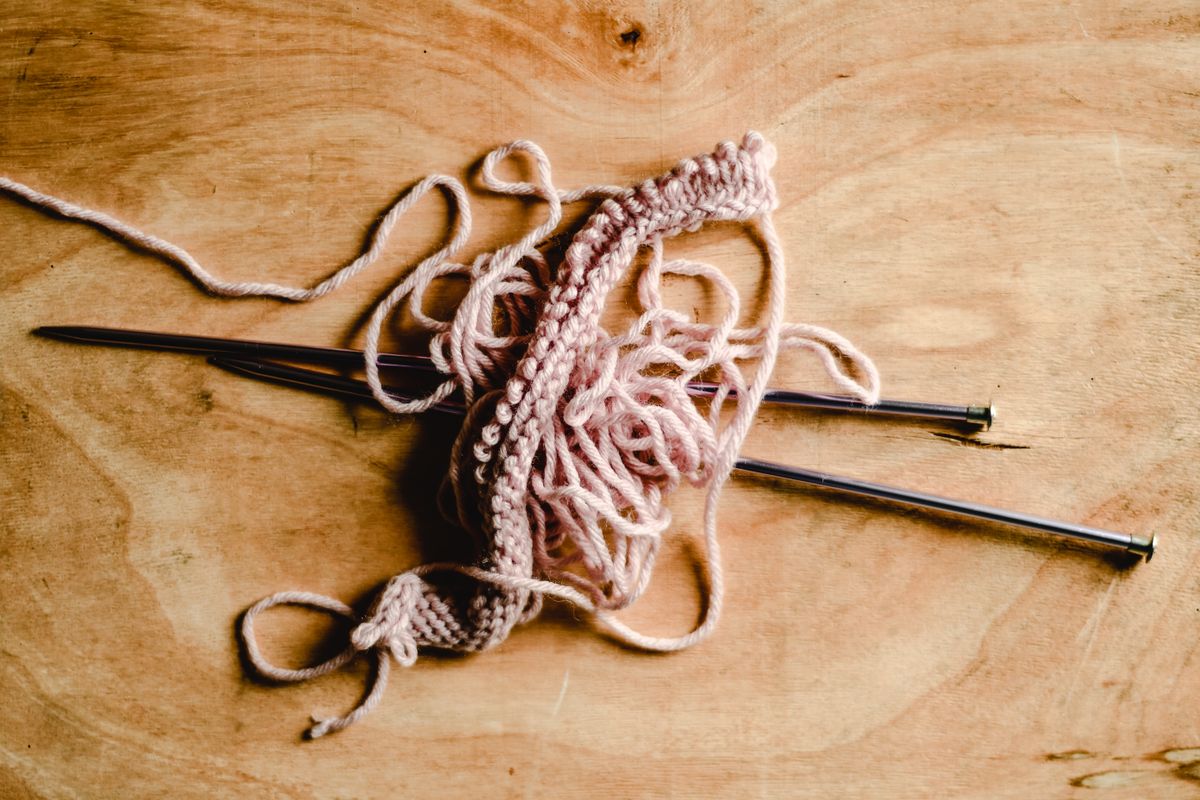
Knitting yarn and needles are a simple starting point for fiber crafts. Photo source: Pexels.
Fiber crafts are ideal for people who enjoy repetition and gradual progress. Knitting, crochet, embroidery, macramé, weaving, and hand sewing all offer ways to create useful or decorative objects.
Knitting
Beginners often make the mistake of starting with a complicated garment. A better first project is something small enough to finish quickly, such as a simple scarf section, small square, basic headband, or practice swatch.
The goal of a first knitting project is not perfection. It is learning how the yarn behaves, how tension changes, and how the basic stitches work.
Crochet
Crochet can be particularly satisfying for beginners because a single hook can create many different structures. Simple squares can eventually become blankets, bags, cushion covers, or decorative pieces.
Embroidery
Embroidery requires relatively little space. A small hoop, fabric, thread, needle, and scissors can be enough to begin practicing basic stitches.
Instead of attempting a complicated picture, start with lines, leaves, stars, letters, or geometric shapes. Repetition makes it easier to understand spacing and thread tension.
Macramé
Macramé uses knots rather than traditional stitching. Small keychains and plant hangers are common beginner projects. Because the basic movements repeat, it can be an enjoyable craft for people who like structured patterns.
Clay and Pottery Crafts
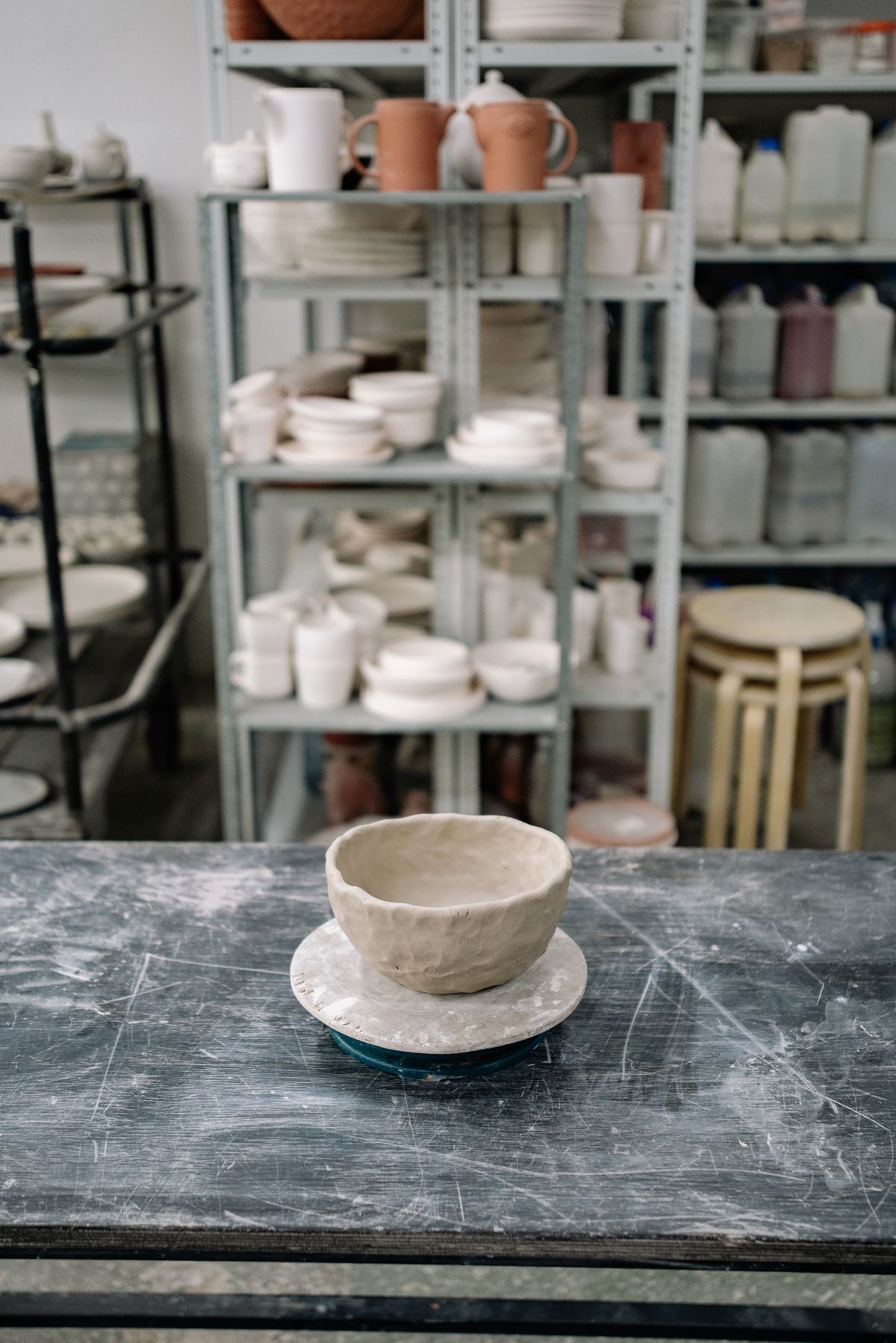
Handmade pottery in a workshop. Photo source: Pexels.
Clay is one of the most tactile craft materials. It changes shape under your hands, which makes the process very different from paper or digital creativity.
You do not necessarily need a pottery wheel to explore clay. Depending on the material, beginners can make small sculptures, ornaments, decorative shapes, pinch pots, texture tiles, and other projects using hand-building methods.
Start with a small clay project
A small pinch pot is a useful introductory exercise because it teaches pressure control and thickness. Begin with a manageable amount of clay and focus on producing an even shape rather than trying to make something elaborate.
If you want functional pottery that requires firing or food-safe glazing, look for a local ceramics studio or community pottery class. Equipment requirements can be very different from air-dry clay projects.
Recycled and Upcycled Crafts
Upcycling can be one of the most budget-friendly categories of hobbies and crafts because the starting material may already be in your home.
Cardboard packaging, glass jars, paper bags, fabric scraps, old clothing, magazines, unused containers, and small wooden pieces can all become craft materials.
Decorated storage containers
Clean containers can be transformed into organizers for pens, buttons, craft supplies, cables, or small household items. Paint, paper, fabric, labels, or simple patterns can change their appearance.
Fabric scrap projects
Small fabric pieces are useful for patchwork, bookmarks, miniature decorations, simple pouches, appliqué, and textile collage.
Cardboard organizers
Instead of buying organizers immediately, experiment with cardboard dividers for drawers. This is especially useful for storing craft supplies by category.
Upcycling is not just about saving money. It can also encourage better material awareness. Before purchasing a new supply, ask whether something you already own could perform the same job.
Drawing and Painting as Creative Hobbies
Drawing is often treated as a skill people either possess or do not possess. In reality, many parts of drawing can be practiced.
Beginners can focus on observation rather than producing impressive artwork. Draw a cup, a plant, a shoe, a spoon, or a simple household object. Pay attention to shape, proportion, shadows, and negative space.
Watercolor
Watercolor can be started with a small palette and a few brushes. Simple exercises such as gradients, color mixing, leaves, clouds, and geometric shapes help beginners understand how water affects pigment.
Acrylic painting
Acrylic paint is versatile and can be used on appropriate surfaces such as canvas, paper, board, and other prepared materials. Beginners often find it useful for decorative projects because layers can be built progressively.
Sketchbook practice
A sketchbook does not need to contain finished masterpieces. It can be a place for experiments, failed drawings, color tests, handwriting, observations, and ideas for future projects.
This removes some of the pressure associated with producing “good art” and turns the sketchbook into a laboratory for creative thinking.
Handmade Gift Projects That Beginners Can Actually Finish
Handmade gifts are a useful motivation for learning crafts because the finished project has a clear purpose.
However, beginners should avoid choosing projects that are significantly more complicated than their current skill level. A small finished item usually makes a better first gift than a large project that remains unfinished.
Handmade greeting cards
Combine cardstock, simple lettering, paper shapes, stamps, or small illustrations. Create several cards at once and keep them ready for birthdays and special occasions.
Personalized bookmarks
Bookmarks are quick to make and easy to personalize. Try watercolor backgrounds, pressed-paper designs, simple patterns, quotes written in your own words, or decorative stitching.
Mini memory books
Fold several sheets of paper, bind them with thread or another suitable method, and create a small themed booklet. Possible themes include recipes, travel memories, family stories, or favorite books.
Decorated fabric pouches
If you already know basic sewing, a small pouch can be a useful next project. Keep the shape simple and focus on clean construction rather than complicated decoration.
How to Start Hobbies and Crafts on a Small Budget
You do not need a large collection of supplies to become a crafter. In fact, starting with too many materials can make a hobby less enjoyable because the workspace becomes cluttered and purchasing decisions become distracting.
Use a starter-kit mindset
Instead of buying every possible material, select one project and purchase only what is necessary to complete it.
For example, if you want to explore collage, you may only need paper, scissors, adhesive, and a surface to work on. If you enjoy it, add specialized materials later.
Reuse packaging
Packaging can become templates, organizers, collage material, protective work surfaces, or project components.
Buy materials that support several hobbies
Neutral supplies such as scissors, rulers, pencils, cutting mats, storage boxes, notebooks, and basic adhesives can often support multiple categories of crafts.
Finish before expanding
One of the best ways to control hobby spending is to follow a simple rule: finish several projects before buying a significantly larger collection of specialized supplies.
How to Create a Small Crafting Space at Home
A craft room is convenient, but it is not necessary. Many people can create a functional crafting station on a dining table, desk, shelf, or small rolling cart.
Divide materials into categories
- Paper and notebooks
- Cutting tools
- Adhesives
- Yarn and thread
- Paint and brushes
- Clay tools
- Finished projects
- Small decorative materials
Clear categories reduce the time spent searching for supplies. A simple labeling system can be more useful than expensive storage furniture.
Protect your work surface
Use an appropriate protective mat or covering when working with paint, glue, clay, cutting tools, or other materials that could damage a surface.
Keep unfinished projects together
An unfinished-project box can prevent half-completed crafts from spreading across your home. Put all materials for one project into a labeled container or folder.
Common Beginner Mistakes in Hobbies and Crafts
Mistake 1: Starting with an advanced project
Inspiration photos often show the finished work of experienced makers. Comparing your first project to somebody's hundredth project can make learning unnecessarily frustrating.
Choose a project that teaches one or two skills at a time.
Mistake 2: Buying too many supplies
Craft stores can be exciting places, but supplies only become useful when they are used. Build your collection gradually.
Mistake 3: Expecting perfect results immediately
Handmade work contains evidence of the maker. Small imperfections are normal, especially while learning.
Mistake 4: Copying instead of learning
Tutorials are helpful, but try to understand the process rather than simply reproducing the exact finished object. Once you understand the underlying technique, you can adapt it.
Mistake 5: Never finishing anything
Starting many crafts can feel productive, but finishing projects teaches different skills. Set aside some time to complete older projects before beginning another one.
How to Turn Crafting Into a Regular Hobby
The difference between trying a craft once and developing a hobby is repetition. You do not need to spend hours every day. Consistency matters more than duration.
Try creating a small weekly crafting appointment. It could be Saturday morning, a weekday evening, or another time that naturally fits your schedule.
The 20-minute method
If you are busy, commit to only 20 minutes. Prepare the materials before starting so that most of those 20 minutes are spent making rather than searching.
Keep a project notebook
Record what you made, which materials you used, what worked, and what you would change. Over time, this becomes a personal reference guide.
Build skills in layers
Rather than constantly changing hobbies, consider exploring different levels within one craft.
- Learn the basic technique.
- Repeat the technique several times.
- Complete a small project.
- Modify the project.
- Combine the technique with another skill.
- Create an original project.
This approach gradually moves you from following instructions to designing your own work.
35+ Hobbies and Crafts Projects to Try
If you want a simple starting point, choose one project from the list below based on your available time, materials, and interests.
- One-page scrapbook: Create one memory page using a photograph, paper scraps, handwriting, and a simple title.
- Decorative bookmark: Paint, draw, collage, or stitch a bookmark for your favorite book.
- Simple collage: Create artwork from magazine pages, old packaging, or printed paper.
- Origami animals: Start with simple folds and gradually move toward more complex models.
- Paper flower: Experiment with folded or cut paper to create a decorative flower.
- Handmade greeting card: Create a small collection for future occasions.
- Junk journal page: Combine old paper, handwriting, stamps, tickets, and drawings.
- Envelope decoration: Turn an ordinary envelope into a personalized piece of stationery.
- Handwritten recipe card: Design a recipe card using lettering and simple decorative borders.
- Paper garland: Cut repeated shapes and connect them into a simple decoration.
- Beginner knitting square: Practice basic stitches on a small piece rather than starting with a large garment.
- Simple crochet square: Create individual squares that could eventually become part of a larger project.
- Embroidery sampler: Practice several basic stitches on one small piece of fabric.
- Embroidered initials: Personalize fabric with a simple initial or monogram.
- Mini macramé keychain: Learn a few basic knots through a compact project.
- Fabric bookmark: Use a narrow strip of fabric and simple stitching.
- Decorative patch: Create a small embroidered or fabric patch.
- Yarn-wrapped decoration: Wrap yarn around an appropriate base to create texture and color.
- Small clay bowl: Explore hand-building with a suitable clay product.
- Clay pendant: Shape a small decorative piece and follow the material's curing instructions.
- Clay texture tile: Press safe textures into clay to study patterns.
- Mini clay sculpture: Create a simple animal, plant, abstract shape, or miniature object.
- Painted plant pot: Decorate an appropriate plant container using a suitable paint.
- Watercolor color chart: Mix colors and record the combinations in a notebook.
- Watercolor leaves: Practice simple leaf shapes using different water-to-pigment ratios.
- Acrylic abstract art: Use shapes, lines, texture, and layering instead of trying to paint a realistic scene.
- Daily sketch: Draw one ordinary object each day for a week.
- Hand-lettering practice: Experiment with different lettering styles and spacing.
- Decorated storage jar: Repurpose a clean container as a craft or desk organizer.
- Cardboard drawer organizer: Create dividers using sturdy recycled cardboard.
- Fabric scrap collage: Arrange fabric pieces into an abstract composition.
- Upcycled gift box: Transform suitable packaging into a decorative gift container.
- Photo memory board: Arrange photographs and handwritten notes into a display.
- Mini handmade booklet: Fold and bind paper into a small notebook.
- Personal project journal: Record craft ideas, sketches, supply lists, mistakes, and finished projects.
- Seasonal decoration: Make a simple decoration using paper, fabric, yarn, or recycled materials.
- Handmade gift tag collection: Produce several small tags using leftover paper and decorative materials.
- DIY inspiration board: Collect colors, textures, sketches, and project ideas for future work.
How to Choose One Project From the List
If 35 ideas are making the decision harder rather than easier, use this simple filter.
- Choose something you can complete within one or two sessions.
- Use materials you already own when possible.
- Pick a project that teaches one skill you want to learn.
- Avoid buying specialized equipment for your first attempt.
- Choose a project that you would enjoy even if the result is imperfect.
Once you finish it, decide whether you enjoyed the process. If you did, repeat the craft with a slightly more challenging project. If you did not, try another category. There is no requirement to continue a hobby simply because you started it.
Making Hobbies and Crafts More Affordable
A creative hobby becomes more sustainable when the cost stays predictable. One practical strategy is to create a “use what you have” month.
During that month, challenge yourself to make projects using existing supplies. This can produce surprisingly creative results because limitations force you to make decisions rather than continuously purchasing new materials.
Another useful habit is to maintain a materials inventory. You do not need complicated software. A simple note on your phone can record which paper, thread, paint, yarn, fabric, or tools you already have.
Before shopping, check the inventory. This reduces duplicate purchases and helps you plan projects around materials that are already available.
Hobbies and Crafts for Different Types of Beginners
If you want something relaxing
Try knitting, crochet, embroidery, coloring, journaling, simple watercolor, or repetitive paper crafts.
If you want something practical
Consider sewing repairs, fabric pouches, storage organizers, handmade bookmarks, recycled containers, or simple home decorations.
If you want something inexpensive
Paper crafts, collage, sketching, recycled crafts, journaling, origami, and some forms of embroidery can be started with relatively few supplies.
If you enjoy detailed work
Embroidery, miniature painting, paper cutting, beadwork, model making, and intricate journaling layouts may suit you better.
If you prefer working with your hands
Clay modeling, pottery, woodworking, weaving, macramé, knitting, crochet, and sculpting provide more tactile experiences.
If you like visible progress
Choose projects that can be completed in stages. A small crochet square, sketchbook page, clay object, greeting card, or embroidered design can provide a clear sense of progress.
How to Develop Your Own Crafting Style
Beginners often think they need a unique style immediately. They do not.
Style usually develops from repetition. You try different colors, materials, compositions, patterns, and techniques. Eventually you notice preferences.
Perhaps you repeatedly choose natural colors. Maybe you prefer geometric patterns. You might discover that you enjoy imperfect handmade textures more than polished designs.
Keep examples of projects you enjoy. Write down what you liked about them. Over time, those observations can help identify the visual and practical choices that feel natural to you.
Why Finishing Small Crafts Matters
Finishing a project teaches something that tutorials cannot fully provide: what happens when the idea meets reality.
You learn whether the materials behave as expected, whether your measurements work, how long the process actually takes, and where your technique needs improvement.
Small finished projects also create a record of progress. A beginner can compare an early embroidery sampler with a later piece and see improvements that were difficult to notice day by day.
For that reason, do not underestimate small crafts. A five-minute paper project can be useful if it teaches you a technique that becomes important later.
Crafting Safely at Home
Different materials require different precautions. Follow the manufacturer's instructions for paints, adhesives, clay, cutting tools, sewing equipment, and other supplies.
Keep sharp tools stored safely. Provide appropriate ventilation when required by a product label. Keep unsuitable materials away from children and pets, and avoid using craft products for purposes they were not designed for.
If a project involves heat, chemicals, power tools, firing equipment, or other hazards, use the appropriate protective equipment and follow reliable instructions rather than improvising.
Frequently Asked Questions About Hobbies and Crafts
What is a good craft for a complete beginner?
Paper crafts, journaling, collage, simple drawing, basic embroidery, and beginner knitting exercises are accessible starting points. Choose based on the materials you already have and the type of creative process you enjoy.
What crafts can I do at home with little money?
Origami, collage, journaling, recycled crafts, simple drawing, paper decorations, and some beginner textile projects can be inexpensive. Reusing packaging and leftover materials can reduce the initial cost further.
What is the easiest craft to learn?
There is no universally easiest craft. Paper folding may be easier for one person, while another may find painting, crochet, or clay modeling more intuitive. Start with a small project and evaluate the process rather than judging yourself by the first result.
How do I find a hobby if I do not consider myself creative?
Start with a structured craft that has clear instructions, such as simple origami, basic embroidery stitches, beginner knitting, paint exercises, or collage. Creativity often becomes easier after you become comfortable with the tools.
Should I buy a complete craft kit?
A small kit can be convenient, but you do not need a large collection of supplies to test a hobby. If possible, start with enough material for one beginner project before investing in specialized equipment.
What crafts are suitable for small spaces?
Journaling, drawing, embroidery, paper crafts, origami, collage, knitting, crochet, and small clay projects can work well in limited spaces.
How can I avoid wasting craft supplies?
Plan projects before shopping, maintain an inventory, reuse scraps, and purchase materials gradually. Completing several projects before expanding your collection is another effective strategy.
Can crafting become a long-term hobby?
Absolutely. Many crafts have beginner, intermediate, and advanced techniques, which means there is room to continue learning for years. The best long-term hobby is one that remains interesting as your skills improve.
What should I do if I start a craft and do not enjoy it?
You can stop. A hobby is supposed to fit your interests. If you dislike the process, try another craft category rather than forcing yourself to continue.
Final Thoughts: Start Small and Let Your Hobby Grow
The world of hobbies and crafts is much larger than a list of DIY projects. It is a collection of skills, materials, traditions, experiments, and personal forms of expression.
You do not need a perfect workspace, expensive equipment, professional-level skills, or an enormous supply collection to begin. You need a manageable project and enough curiosity to try.
Start with something small. Make a bookmark. Fill one sketchbook page. Try a basic stitch. Fold a piece of paper. Shape a small piece of clay. Decorate a journal page. Turn an old container into an organizer.
Then ask yourself one simple question: Did I enjoy making it?
If the answer is yes, make another project. If you enjoyed the process but not the result, change the technique. If you did not enjoy either, choose a different craft.
That is one of the best things about creative hobbies: there is no single correct path. Your first project does not need to define your style, your skill level, or your future interests.
The purpose is to explore, practice, make mistakes, learn something useful, and gradually discover the kinds of creative work that make you want to return to the table tomorrow.