
Why Do My Wireless Earbuds Keep Falling Out? The Complete Fit Guide

Quick Answer
Wireless earbuds fall out because the stock ear tip doesn't match your ear canal's size or angle, not because your ears are "the wrong shape." Fixing it usually takes three steps: run a proper tip-sizing test using every size in the box, rotate the earbud slightly forward or backward until you find the angle that seats it against your tragus, and switch to foam or winged tips if silicone still slips during movement. Most people solve the problem in under ten minutes without buying a new pair.
What's Covered in This Guide
- Why Earbuds Actually Fall Out (It's Not Your Ears)
- The Real Culprits Behind a Loose Fit
- The Ear Tip Sizing Test Most People Skip
- Fit Techniques by Earbud Type
- Activity-Specific Fixes That Actually Work
- Accessories Worth Buying (And Ones That Aren't)
- A Cleaning Routine That Protects Your Fit
- When It's Not a Fit Problem At All
- What to Check Before Your Next Purchase
- Common Fit Myths That Waste Your Time
- Frequently Asked Questions
Why Earbuds Actually Fall Out (It's Not Your Ears)
There's a quiet myth floating around online forums that some people just have "bad ears" for wireless earbuds — too small, too shallow, too oddly shaped for anything to stay put. I've heard variations of this complaint dozens of times, and almost none of it holds up once you actually look at what's happening mechanically inside the ear canal.
Your outer ear is made up of a few key landmarks that determine whether an earbud stays seated: the concha (the bowl-shaped area), the tragus (the small flap of cartilage in front of the canal opening), and the ear canal itself, which is rarely a straight tube — it curves, and the angle of that curve is different for almost everyone. A wireless earbud has to do two things at once to stay in place: form a light seal inside the canal opening, and rest against the concha and tragus for passive support. When a tip is too small, it can't seal. When it's too large, it can't seat deep enough to lock against the tragus, so the whole earbud rides on the surface of your ear and gets nudged loose by the smallest movement.
None of that is about your ear being unusual. It's about matching hardware to anatomy, and manufacturers know this well enough that nearly every mid-range and premium earbud ships with three to five tip sizes in the box. The problem is that most people install whichever tip comes pre-attached, decide it's "good enough," and never test the alternatives — right up until the earbud pops out on a run and they assume the product itself is defective.
The Real Culprits Behind a Loose Fit
Before jumping to a fix, it helps to know exactly which factor is working against you, because the solution is different depending on the cause. Here are the seven most common reasons earbuds loosen, roughly ordered from most to least frequent based on what actually shows up in product reviews and support forums.
1. Wrong tip size
This is the single biggest cause by a wide margin. A tip that's even half a size off can be the difference between a seal that survives a jog and one that slips out during a brisk walk.
2. Ear canal angle mismatch
Ear canals don't point straight in — they angle slightly forward and down. Some earbud housings are designed with a fixed insertion angle that doesn't match every canal shape, which is why the exact same model can feel locked-in for one person and loose for another.
3. Jaw movement while talking or eating
The temporomandibular joint, which controls jaw movement, sits close enough to the ear canal that chewing and talking subtly change the canal's shape. If your earbuds only fall out during meals or phone calls, this is almost certainly why.
4. Sweat and humidity
Silicone tips lose a small amount of grip when they get slick with sweat or moisture. It's not dramatic, but combined with movement from exercise, it's often enough to tip a marginal fit into a failing one.
5. Earwax and debris buildup
A layer of wax on the tip or inside the canal changes the surface texture the seal depends on. Earbuds that fit perfectly when new can start slipping weeks later simply because they've never been cleaned.
6. Earbud weight and design
Stemless, button-style earbuds tend to sit shallower in the ear and rely more on the concha for support, which makes them more sensitive to fit issues than stemmed designs that anchor further into the canal.
7. Cold ear canal narrowing
This one surprises people: ear canal tissue can contract slightly in cold weather, which is why some users notice their normally secure earbuds feel a touch looser on winter runs.
The Ear Tip Sizing Test Most People Skip
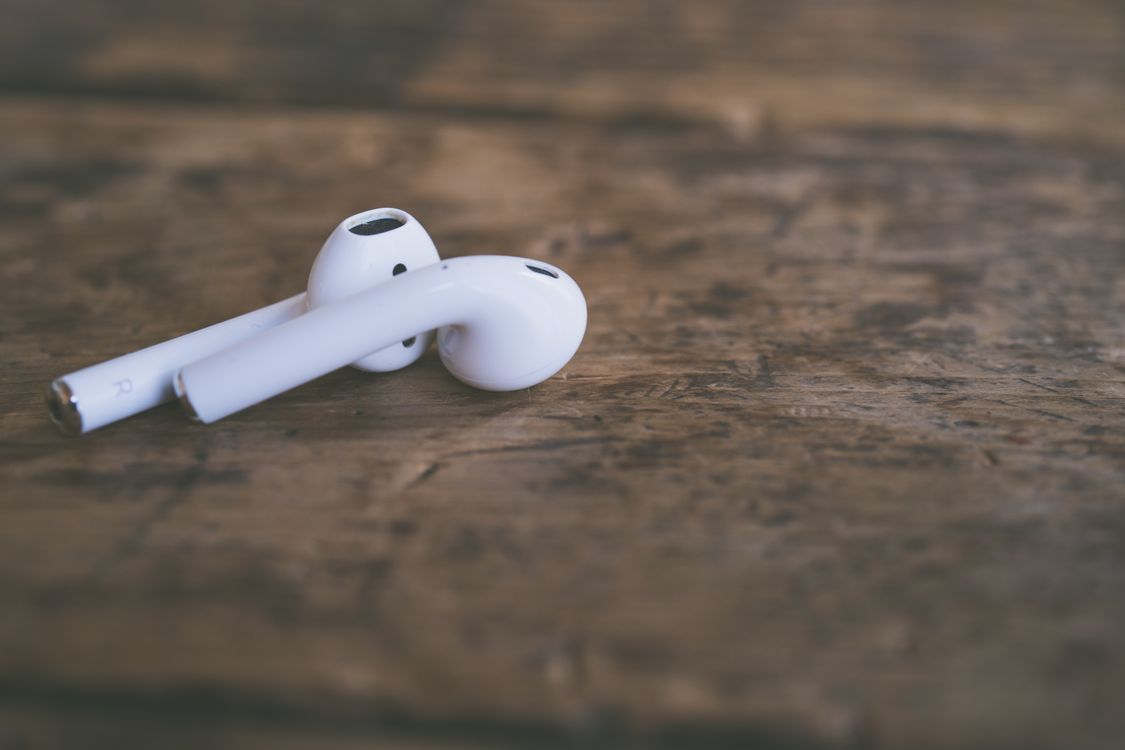
Here's a five-minute test that solves the fit problem for a large share of people before they try anything else. Grab every tip size that came in the box — most brands include small, medium, and large, with some premium models offering extra-small and extra-large as well.
- Install the smallest tip first. Insert the earbud and gently tug the outer ear (the way you would when fitting swimming earplugs) to help it seat. If it feels like it could fall out with a light shake of your head, it's too small.
- Do the seal check. With the earbud in and no audio playing, press it gently deeper for one second, then release. If you feel a faint pressure "pop" as it seats, that's a sign of a proper acoustic seal. No pop usually means no seal.
- Test each size the same way, moving up until you find the largest tip that still goes in without discomfort and produces that seal sensation. The correct size is almost always the largest one that's comfortable, not the smallest one that technically fits.
- Repeat separately for each ear. This step gets skipped constantly. It's completely normal — and common — for your left and right ear to need different tip sizes.
- Confirm with movement, not stillness. Shake your head side to side, then jog in place for ten seconds. A tip that survives that test will survive daily use.
Tip Material Comparison
Fit Techniques by Earbud Type
Not every wireless earbud follows the same rules, and treating a stemless bud like a stemmed one — or vice versa — is a quiet reason a lot of fit advice online doesn't work for everyone.
Stemmed in-ear earbuds
The stem acts as a lever. Instead of pushing straight in, insert at a slight angle and then rotate the stem forward about 10–15 degrees until the housing rests flush against your concha. This rotation is the step most people never try, and it makes a noticeable difference in stability.
Stemless (button-style) earbuds
These rely almost entirely on the concha for support since there's no stem to anchor against. Fit is more sensitive to tip size here than with stemmed models — sizing up even slightly can meaningfully improve retention.
Open-ear or clip-on earbuds
These don't seal the canal at all, so "falling out" usually means the clip mechanism isn't gripping the ear properly rather than a tip problem. Check that the clip sits behind the ear cartilage, not just resting on top of it, and adjust the pivot point if the model allows it.
Bone conduction earbuds
Fit here is about consistent pressure against the cheekbone, not canal insertion. If these slip, it's almost always the headband tension or ear hook angle, not a tip issue, since there's no tip involved.
Activity-Specific Fixes That Actually Work
Fit problems rarely show up when you're sitting still. They show up when you're moving, talking, or sweating — so the fix often needs to match the activity, not just the ear.
Running and cardio
Switch to winged or ergonomic tips that brace against the antihelix (the ridge above the concha). Combine this with a properly sized tip and most running-related slippage disappears. If you're still losing an earbud on longer runs, an ear hook accessory (covered below) is worth the small investment.
Gym and weightlifting
The issue here is usually jaw clenching during heavy lifts, which briefly changes canal shape. Sizing up one tip size from your resting-fit size often compensates for this without making the earbuds uncomfortable between sets.
Sleeping with earbuds in
Side sleeping puts direct pressure on the earbud against the pillow, which can either push it deeper (uncomfortable) or lever it out (frustrating). Low-profile, flush-fitting stemless models with soft foam tips generally handle this better than stemmed designs that stick out further from the ear.
Commuting and office use
This is usually the easiest scenario, but frequent removal and reinsertion — pulling earbuds out for conversations dozens of times a day — gradually loosens the seal faster than continuous wear. Reinserting at the same angle each time, rather than just pushing straight in, helps maintain consistency.
Swimming and water sports
Water changes the friction between skin and tip dramatically. Only use earbuds explicitly rated for swimming (not just sweat-resistant), and expect to size up slightly, since water reduces grip more than sweat does.
Accessories Worth Buying (And Ones That Aren't)
Third-party accessories can genuinely solve persistent fit problems, but only if you buy the right category for your specific issue. Here's how the main options actually compare.
A Cleaning Routine That Protects Your Fit
This step gets overlooked constantly, and it's one of the few fit issues that's entirely preventable. Earwax and skin oil build up on tips gradually, and once there's a layer of residue, the seal that used to lock the earbud in place starts to degrade — not because the tip changed shape, but because the surface it's gripping against did.
- Wipe tips after every use with a dry microfiber cloth or an alcohol wipe (let them dry fully before reinserting).
- Deep-clean weekly by removing silicone tips and rinsing them with lukewarm water and mild soap, then drying completely before reattaching.
- Never submerge foam tips — they absorb moisture and lose their expansion properties permanently. Spot-clean only.
- Check the mesh grille on the earbud itself. A wax-clogged speaker mesh doesn't cause slipping directly, but it often gets confused with a fit issue because sound quality drops at the same time.
- Replace tips every 3–4 months with regular use, since even silicone gradually loses its texture and elasticity from repeated insertion and cleaning.

When It's Not a Fit Problem At All
Every so often, what looks like a fit issue is actually something else entirely, and no amount of tip-swapping will fix it. Here's how to tell the difference.
- Battery swelling: If an earbud has recently started feeling tighter or more difficult to remove than it used to, stop using it. A swollen battery can subtly change the housing shape, and this is a safety issue, not a comfort one.
- Cracked or warped housing: Drops and heat exposure (like leaving earbuds in a hot car) can warp the plastic shell just enough to throw off the fit permanently, even with a perfect tip size.
- Worn-out stock tips: Silicone that's been reused for over a year often develops micro-cracks that are hard to see but change the surface grip significantly.
- Mismatched replacement tips: Using a tip from a different model or brand, even if it physically clicks on, often has a different stem diameter that creates a weak connection point.
If you've tried proper sizing, foam tips, and correct insertion angle and the earbuds still won't stay put, it's worth inspecting the hardware itself before assuming the fit technique is the problem.
What to Check Before Your Next Purchase
If you're shopping for a replacement pair specifically because your current earbuds never fit right, a few product details matter more than the marketing copy usually lets on.
- Number of included tip sizes: Three sizes is the bare minimum; five (including XS and XL) gives meaningfully better odds of a proper fit out of the box.
- Stemmed vs. stemless design: If you've struggled with stemless buds before, a stemmed design gives you an extra lever for adjustment and generally seats more securely.
- IPX rating for your use case: IPX4 covers light sweat; IPX7 or higher is needed for genuine water exposure, which also affects how much a wet seal will loosen during use.
- Weight per earbud: Lighter housings (under 5 grams per bud) put less strain on a marginal seal than heavier models packed with larger batteries or extra sensors.
- Availability of third-party accessories: Popular models tend to have a wider range of aftermarket hooks and wing tips, which matters if the stock options don't work for your ears.
Common Fit Myths That Waste Your Time
Before we wrap up, it's worth clearing out a few pieces of advice that circulate constantly in comment sections and forum threads but don't hold up under closer scrutiny. Acting on these can waste weeks chasing a fix that was never going to work.
- "Push it in as deep as possible." Deeper isn't automatically better. Past a certain point, forcing an earbud further into the canal doesn't improve the seal — it just increases discomfort and, in some cases, pushes wax further in rather than around it.
- "Buy the most expensive pair and fit stops being an issue." Price correlates loosely with sound quality and build materials, but not with anatomical fit. A budget pair with five well-designed tip sizes will often out-fit a premium pair that only ships with three.
- "If they fit fine standing still, they'll fit fine moving." This is one of the most common false assumptions. A static fit test in a mirror tells you almost nothing about how the seal holds up once your jaw, neck, and ear canal start moving together during real activity.
- "Everyone's optimal tip size matches their earbud housing size." There's no reliable correlation between how large or small the earbud housing is and which tip size will work best. Small housings sometimes need large tips, and vice versa, because the housing size and canal size are unrelated measurements.
- "A tight fit is always a good fit." Tightness and sealing are different things. A tip can feel tight against the outer canal opening while still failing to seat deep enough to create an actual acoustic seal, which is the part that determines whether the earbud stays locked in during movement.
Frequently Asked Questions
Why do my wireless earbuds keep falling out only from one ear?
Most people have two ear canals that aren't identical in size or angle. It's common for one ear to hold a tip securely while the other needs a size up or down. Try mixing tip sizes between ears instead of assuming both sides need the same fit.
Should wireless earbuds hurt a little when they fit correctly?
No. A correct fit should feel snug, like a gentle seal, not painful pressure. If you feel sharp discomfort within the first few minutes, the tip is too large or the angle is wrong, not because a proper fit is supposed to hurt.
Do foam tips really work better than silicone for keeping earbuds in place?
For most people, yes. Memory foam tips expand to match the exact shape of your ear canal, which creates more surface contact and a stronger passive seal than silicone. The tradeoff is that foam wears out faster and isn't ideal for humid climates or heavy sweating.
Can jaw movement really cause earbuds to loosen while talking or eating?
Yes. The temporomandibular joint sits close to the ear canal, and chewing or talking subtly changes the canal's shape and volume. This is a well-documented reason earbuds that feel secure at rest loosen during conversation or meals.
Is it normal for new earbuds to fall out more than an old pair?
It can be. Stock ear tips are a starting point, not a guarantee. New earbuds often ship with a mid-size tip installed by default, and many users never try the other sizes included in the box, which is the single most common cause of a loose fit.
Do ear hooks or wing tips work with every wireless earbud model?
No. Ear hooks and wing tips are typically molded to fit a specific earbud shape or a narrow range of models, so a hook made for one brand rarely fits another brand's charging case or housing shape. Always check compatibility by model number before buying third-party accessories.
The Bottom Line
A loose-fitting wireless earbud is almost never a defect and almost never a permanent limitation of your ear shape. It's a mismatch between the tip you happened to have installed and the specific geometry of your ear canal, made worse by movement, sweat, wax buildup, or the wrong accessory choice for your activity. Run the sizing test with every tip in the box, match your fit technique to your earbud type, and adjust for the specific activity where the slipping happens most. For the small number of cases where none of that works, check the hardware itself before writing off the pair entirely — sometimes the fix really is that simple, and sometimes it points to a housing or battery issue worth addressing directly.