
Wi-Fi Connected But No Internet? 15 Fixes That Actually Work
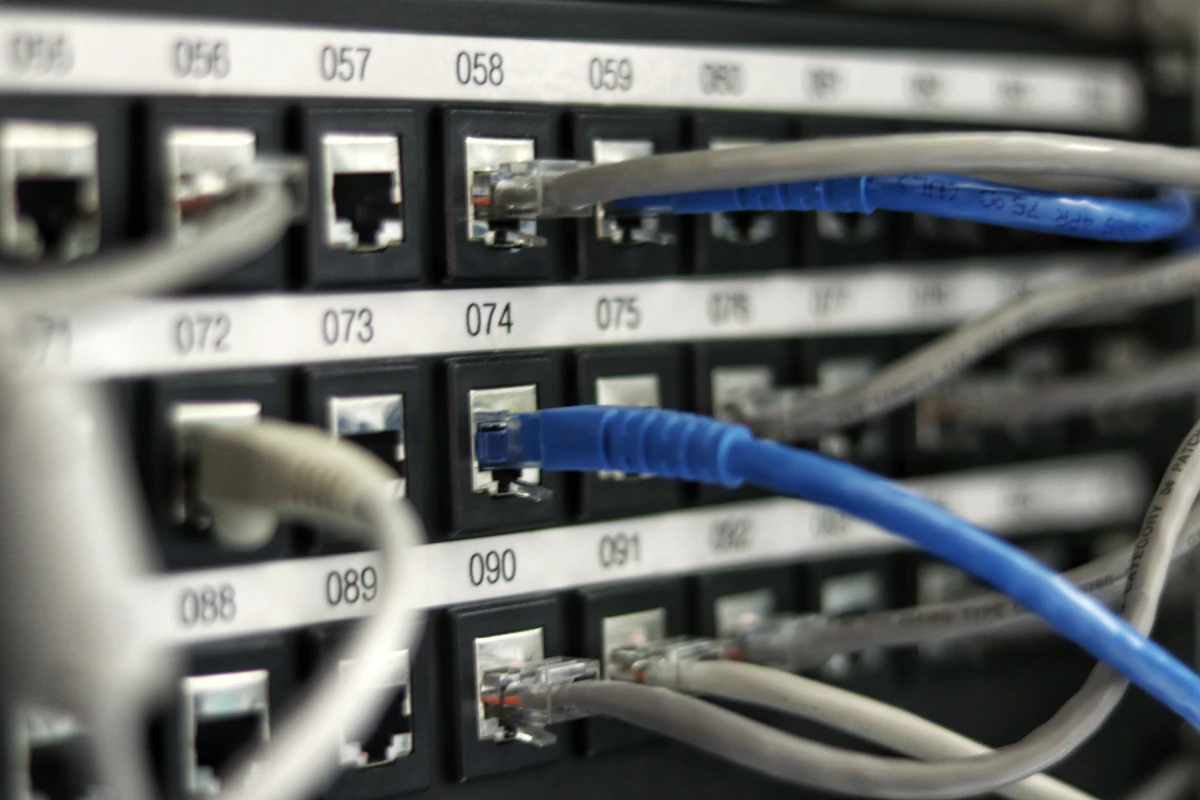
You glance at the corner of your screen and the Wi-Fi icon looks fine. Full bars, no exclamation mark, everything says you're online. Then you try to load a page and nothing happens. Refresh. Nothing. Restart the browser. Still nothing. That gap between "connected" and "actually working" is one of the most confusing tech problems out there, mostly because the error message tells you almost nothing about what's actually wrong.
I've spent enough late nights untangling this exact issue - on home routers, office networks, and hotel Wi-Fi that seemed determined to ruin a trip - to know that most guides make it more complicated than it needs to be. So this one is built differently. It walks through the fixes in the order that actually solves the problem fastest, starting with the 30-second checks and only moving into the technical stuff if you genuinely need it.
Quick Answer
In most cases, "Wi-Fi connected, no internet" happens because your router lost its connection to your internet provider, or your device is holding onto an outdated IP address or DNS setting. Restart your router first, then forget and reconnect to the network on your device. That combination resolves the problem more than 80% of the time. If it doesn't, work through the DNS, IP release/renew, and network reset steps further down this guide.
What's in this guide
- What "connected but no internet" actually means
- Step 1: Figure out if it's one device or the whole network
- Router-side fixes (start here)
- Fixing it on Windows
- Fixing it on Android
- Fixing it on iPhone and iPad
- Fixing it on Mac
- Advanced fix: changing your DNS settings
- Comparison: which fix solves which cause
- How to stop this from happening again
- When it's actually your internet provider's fault
- Frequently asked questions
What "connected but no internet" actually means
Here's the part most articles skip: your Wi-Fi connection and your internet connection are two completely separate things, even though they feel like one. When your phone or laptop shows "connected," it only means your device has successfully linked up with your router over the local wireless signal. That's it. It says nothing about whether the router itself is able to reach the wider internet.
Think of your router as the front desk of a building and your internet provider as the outside world. Your device can absolutely check in at the front desk (that's the Wi-Fi connection) even if the front desk has lost its own phone line to the outside world (that's the internet connection). The error message on your phone is really just telling you "I successfully reached the front desk," not "the front desk can reach anyone else."
This distinction matters because it tells you where to start looking. If the front desk itself is cut off, no amount of fiddling with your phone will help - you need to fix the router or wait for your provider. But if the front desk is fine and it's your device that's confused about how to talk to it, then restarting the router won't do anything and you need to work on your device's network settings instead. The first real step, then, isn't a fix at all. It's a diagnosis.
Step 1: Figure out if it's one device or the whole network
Before touching any settings, grab a second device - a phone, a tablet, whatever's nearby - and connect it to the same Wi-Fi network. This takes fifteen seconds and it tells you almost everything you need to know.
If every device loses internet at the same time
The problem is almost certainly your router or your internet provider. Skip ahead to the router-side fixes section, since fiddling with individual device settings won't help here.
If only one device is affected while others work fine
The router and your internet connection are both working. The problem is local to that one device - usually a stuck IP address, a corrupted network profile, or a misbehaving DNS cache. Jump to the section for your specific device: Windows, Android, iPhone, or Mac.

Router-side fixes (start here if every device is affected)
If the whole household or office is offline, don't bother touching your phone's settings yet. Work through these in order.
1. The classic restart - and why it actually works
Unplug your router (and modem, if it's a separate box) from the power outlet. Wait a full 30 seconds - not five, not ten, genuinely thirty - and plug it back in. That pause matters because it lets capacitors inside the device fully discharge, which clears out temporary memory glitches that a quick power-cycle won't touch.
Give it two to three minutes to fully boot and re-establish a connection with your provider. This single step resolves the majority of "connected but no internet" situations because it forces the router to request a completely fresh IP address and connection handshake from your ISP, wiping out whatever glitch had built up.
2. Check the actual status lights
Every router has small indicator lights, and they're more informative than most people realize. Look specifically for the light labeled "Internet" or "WAN" (as opposed to the "Wi-Fi" or "LAN" lights, which only reflect the local network). If that light is off, red, or blinking in an unusual pattern, your router has genuinely lost its upstream connection - meaning the problem sits between your router and your provider, not inside your home network at all.
3. Rule out an outage on your provider's end
Before spending more time on your own equipment, check whether your internet provider is having a wider outage. Most providers now publish live status pages, and third-party outage trackers can confirm whether other people in your area are reporting the same problem. If there's a confirmed outage, nothing on your end will fix it - you're simply waiting it out.
4. Check for loose or damaged cables
If your router is connected to a modem, or your modem connects to a wall outlet via coaxial or fiber cable, physically inspect those connections. A cable that's slightly loose - or one that's been chewed by a pet, crushed under furniture, or kinked over time - can cause exactly this symptom. Reseat every cable firmly and check for visible damage along its length.
Fixing it on Windows
If a Windows laptop or desktop is the only device affected, these steps go from quickest to most thorough.
5. Run the built-in network troubleshooter
Steps
Right-click the Wi-Fi icon in the taskbar → select Diagnose network problems (or open Settings > Network & Internet > Status > Network troubleshooter). Windows will automatically check for common misconfigurations - like a bad IP address - and often fixes them without any further input from you.
6. Forget the network and reconnect
Go to Settings > Network & Internet > Wi-Fi > Manage known networks, select your network, and click Forget. Reconnect using your Wi-Fi password as if it were a brand-new network. This clears out any corrupted saved profile - including outdated IP or security settings - and forces a completely fresh negotiation with the router.
7. Release and renew your IP address manually
Steps
Open Command Prompt as administrator and run these three commands one at a time:
ipconfig /releaseipconfig /renewipconfig /flushdns
The first command drops your current IP address entirely, the second requests a brand-new one from the router, and the third clears out any stale DNS records your computer had cached. Together, these three commands solve a large share of single-device Windows issues.
8. Reset the network stack completely
If the above didn't help, a deeper reset is worth trying. In an administrator Command Prompt, run netsh winsock reset followed by netsh int ip reset, then restart the computer. This rebuilds the underlying network components from scratch, which resolves issues that simpler fixes can't reach - particularly after a Windows update.
9. Update or roll back your Wi-Fi driver
Open Device Manager > Network adapters, right-click your Wi-Fi adapter, and choose Update driver. If the problem started right after a Windows update, try the reverse: right-click, select Properties > Driver > Roll Back Driver if that option is available. Driver mismatches after major updates are a genuinely common and under-reported cause of this exact symptom.
Fixing it on Android
Android phones handle network profiles a little differently from Windows, so the fixes look slightly different too.
10. Toggle Airplane Mode
This sounds too simple to matter, but turning Airplane Mode on for ten seconds and then off again forces your phone to completely re-establish every wireless connection, including Wi-Fi. It's the fastest thing to try and costs nothing.
11. Forget the network on your phone
Steps
Go to Settings > Network & internet > Internet, tap the gear icon next to your Wi-Fi network name, and select Forget. Reconnect with the password. On most Android phones - including OnePlus devices running OxygenOS - this single step resolves the majority of single-device Wi-Fi issues, since it clears out a saved IP configuration that may have gone stale.
12. Check for a private DNS or VPN conflict
Android's Private DNS feature (found under Settings > Network & internet > Private DNS) occasionally points to a DNS provider that's slow or temporarily unreachable, which produces exactly this symptom. Try switching it to Automatic or Off and see if that restores your connection. Similarly, if you have a VPN app installed, disable it temporarily - VPN apps can silently intercept traffic even when they appear to be turned off.
13. Clear the network settings entirely
As a last resort, go to Settings > System > Reset options > Reset Wi-Fi, mobile & Bluetooth. This wipes every saved Wi-Fi network, paired Bluetooth device, and mobile data setting, so you'll need to reconnect to everything afterward - but it clears out any deeply corrupted network profile that a simple "forget network" didn't fix.
Fixing it on iPhone and iPad
14. Forget the network and rejoin
Go to Settings > Wi-Fi, tap the blue "i" icon next to the affected network, and choose Forget This Network. Rejoin using the password. This is the single most effective fix for iOS devices and resolves the issue more often than any other step on this list.
15. Reset network settings
If forgetting the individual network didn't help, go to Settings > General > Transfer or Reset iPhone > Reset > Reset Network Settings. This clears every saved Wi-Fi network, cellular APN setting, and VPN configuration on the device, essentially giving your iPhone's networking a clean slate. You'll need to re-enter Wi-Fi passwords afterward, so keep them handy.
Check for Low Data Mode
Under Settings > Wi-Fi > [network name] > Low Data Mode, make sure this isn't toggled on unintentionally, since it can restrict certain background connections in ways that occasionally look like a full outage.
Fixing it on Mac
Mac troubleshooting follows a similar logic to Windows and iOS, just with different menus.
Renew your DHCP lease
Open System Settings > Network, select Wi-Fi, click Details, go to the TCP/IP tab, and click Renew DHCP Lease. This is the Mac equivalent of releasing and renewing an IP address on Windows, and it's often enough on its own.
Remove and re-add the Wi-Fi network
In the same Network settings panel, click Advanced, select your Wi-Fi network under the list of known networks, and remove it using the minus button. Reconnect from scratch afterward.
Advanced fix: changing your DNS settings
If you've worked through the device-specific steps above and you're still stuck, the issue may be your DNS provider rather than your actual connection. DNS is essentially the phonebook that translates a website name into the numeric address your device needs to actually reach it. If your internet provider's DNS servers are slow, overloaded, or briefly down, your connection can be perfectly fine underneath while every website still refuses to load - which looks identical to the "no internet" problem even though it isn't.
Switching to a public DNS provider is quick and reversible. Two of the most reliable free options are Cloudflare's 1.1.1.1 and Google's 8.8.8.8. On Windows, this is changed under your network adapter's properties in IPv4 settings. On Android, it's under the Wi-Fi network's advanced settings. On iPhone, it's under the Wi-Fi network's Configure DNS option. On Mac, it's in the same TCP/IP panel mentioned above, under the DNS tab.
Comparison: which fix solves which cause
Not every fix addresses the same root cause, so here's a quick reference to match your situation with the right first move.
| Symptom | Likely cause | Best first fix |
|---|---|---|
| Every device on the network is affected | Router lost connection to ISP, or ISP outage | Restart the router; check the WAN light; check for a local outage |
| Only one device is affected | Stuck IP address or corrupted saved network profile | Forget the network and reconnect |
| Problem started right after a system update | Driver or network stack issue | Update or roll back the network driver; reset the network stack |
| Wi-Fi works but certain websites won't load | DNS provider issue | Switch to a public DNS like 1.1.1.1 or 8.8.8.8 |
| Problem returns every few hours | Aging router hardware or unstable ISP line | Contact your provider; consider a router replacement |
| Works on Wi-Fi from one location, fails elsewhere | Interference or router placement | Move closer to the router; change Wi-Fi channel |
How to stop this from happening again
Once you've got things working again, a few small habits genuinely cut down how often this problem comes back.
- Restart your router on a schedule. A simple weekly restart - even done automatically with a smart plug on a timer - clears out memory buildup before it causes a visible problem.
- Keep your router's firmware updated. Most modern routers can check for firmware updates directly from their admin panel, and these updates often fix exactly the kind of connectivity bugs discussed in this guide.
- Avoid overcrowding one Wi-Fi band. If your router supports both 2.4GHz and 5GHz bands, spreading devices across both reduces the congestion that sometimes causes intermittent drops.
- Replace routers older than five years. Networking hardware degrades over time just like anything else, and an aging router is far more likely to produce these exact symptoms under normal daily use.

When it's actually your internet provider's fault
Sometimes none of this is within your control, and it's worth recognizing that early rather than spending an hour on settings that were never going to help. If every device in your home loses internet at the same time, your router's WAN light is off or red, a full restart hasn't helped after a few minutes of waiting, and an outage tracker shows other people nearby reporting the same problem, the issue sits upstream of your equipment entirely.
At that point, the most productive step is contacting your provider's support line directly and mentioning that you've already restarted your equipment and confirmed the WAN light is off - this usually skips you past the first round of basic troubleshooting questions and gets you to someone who can check the line status on their end.
Frequently Asked Questions
Why does my Wi-Fi say connected but there's no internet?
It usually means your device has a working link to the router but the router itself has lost its connection to your internet provider, or your device has a bad IP or DNS configuration. The Wi-Fi radio and the actual internet connection are two separate things, which is why you can be "connected" with nothing working.
Will restarting my router actually fix this?
In a large share of cases, yes. A restart clears the router's memory, forces it to request a fresh connection from your ISP, and resolves temporary IP conflicts. It's the single most effective fix and should always be your first move.
Does forgetting and reconnecting to a Wi-Fi network help?
Yes, especially if the problem is limited to one device. Forgetting the network clears out a saved IP address, security handshake, or DNS setting that may have gone stale, and forces your device to negotiate a completely fresh connection.
Is this problem caused by my device or my router?
It can be either. If every device on the network loses internet at once, the router or ISP is almost always the cause. If only one phone or laptop is affected while others work fine, the problem is local to that device's network settings.
Can changing DNS settings fix "connected, no internet"?
Yes, in a meaningful number of cases. If your ISP's DNS servers are slow or temporarily down, switching to a public DNS service like 1.1.1.1 or 8.8.8.8 can restore browsing even though the underlying connection was never actually broken.
When should I contact my internet provider instead of troubleshooting further?
If every device is affected, the router's internet light is off or blinking red, and a restart plus 10 minutes of waiting hasn't helped, the outage is likely upstream of your router and only your ISP can resolve it.
Most of the time, this problem looks scarier than it actually is. Start with the router restart, check whether it's one device or every device, and work down the relevant list for your platform. Between those steps, you'll have it sorted in a few minutes rather than losing an afternoon to it.