
Vitamin C Deficiency Symptoms: Causes, Risks & How to Fix It (2026 Guide)

- What Is Vitamin C Deficiency?
- Early Warning Signs
- Advanced Symptoms (Scurvy)
- What Causes Vitamin C Deficiency?
- Who Is Most at Risk?
- How Much Vitamin C Do You Actually Need?
- Best Food Sources of Vitamin C
- Supplementation: What Works
- Why Vitamin C Matters Beyond Preventing Deficiency
- Common Myths About Vitamin C
- How Vitamin C Deficiency Is Diagnosed
- Recovery Timeline: What to Expect
- Cooking Tips That Preserve More Vitamin C
- Prevention Strategies
- When to See a Doctor
- Frequently Asked Questions
What Is Vitamin C Deficiency?
Vitamin C, also known as ascorbic acid, is a water-soluble nutrient that the human body cannot produce or store for long periods. Unlike fat-soluble vitamins such as A, D, E, and K, which the liver and fatty tissue can hold onto for months, vitamin C reserves are typically used up within four to twelve weeks if intake stops. That is part of why deficiency can develop faster than many people expect, especially during periods of illness, restrictive dieting, or heavy smoking.
The nutrient plays a central role in collagen synthesis, the process that keeps skin, blood vessels, cartilage, and bone tissue strong and elastic. It is also a powerful antioxidant, helps the body absorb non-heme iron from plant foods, and supports normal immune cell function. When levels drop too low for too long, the structural and immune functions that depend on vitamin C begin to fail, producing the symptoms described throughout this guide.
Historically, severe vitamin C deficiency was known as scurvy and was common among sailors on long voyages without access to fresh produce. It is far less common today, but it has not disappeared. Modern cases tend to appear in people with limited diets, chronic illness, food insecurity, or lifestyle factors that increase the body's vitamin C requirements beyond what a typical diet provides.
Early Warning Signs
Because vitamin C deficiency develops gradually, the earliest signs are often dismissed as normal fatigue or aging. Recognizing this stage matters because correcting it early is simple and usually reverses symptoms within a matter of weeks.
1. Persistent, Unexplained Fatigue
Vitamin C is involved in carnitine synthesis, a compound the body uses to convert fat into usable energy. When levels fall, many people notice a heavy, low-grade tiredness that doesn't improve with sleep and isn't tied to any other obvious cause.
2. Easy Bruising
Because collagen keeps the walls of small blood vessels strong, low vitamin C weakens capillaries and makes them prone to rupture under minor pressure. This often shows up as bruises that appear from light bumps that wouldn't normally leave a mark.
3. Rough, Dry, or "Sandpaper" Skin
Some people develop a condition called keratosis pilaris-like bumps or generally rough patches of skin, particularly on the arms and thighs, as collagen production slows.
4. Gums That Bleed When Brushing
Gum tissue relies heavily on collagen and is one of the most vitamin C-sensitive tissues in the body. Bleeding, tender, or swollen gums are frequently one of the very first noticeable signs.
5. Slow-Healing Cuts and Scrapes
Wound healing depends on new collagen formation at the site of injury. When vitamin C is low, healing that normally takes a week can stretch to two or three times as long.
6. Dry, Brittle, or "Corkscrew" Hair
Hair follicles are also collagen-dependent structures. In more pronounced deficiency, hair can become dry, split, or twist into a distinctive corkscrew shape, sometimes accompanied by tiny red dots around the follicle.
Advanced Symptoms (Scurvy)
If early signs go unaddressed for one to three months, deficiency can progress into full scurvy. This stage is far less common today but still occurs, particularly in people with severe malnutrition, advanced alcohol use disorder, or extremely restrictive eating patterns.
- Joint pain and swelling, especially in the knees and ankles
- Gum disease with loose or receding teeth
- Large, spontaneous bruises or pinpoint bleeding under the skin
- Wounds that reopen or fail to close entirely
- Shortness of breath or swelling related to anemia
- Mood changes, irritability, or depression
Advanced scurvy can also affect bone health in children and cause internal bleeding in severe, prolonged cases. It is a medical condition, not something to self-treat with megadoses of supplements. Anyone experiencing several of the symptoms above should seek medical care rather than relying on home remedies.
What Causes Vitamin C Deficiency?
Vitamin C deficiency almost always comes down to intake not keeping pace with the body's needs. The specific drivers vary widely from person to person.
- Low dietary intake: Diets low in fresh fruits and vegetables, whether by choice, access, or economic constraint, are the most common root cause.
- Smoking: Cigarette smoke increases oxidative stress and depletes vitamin C faster than the body can replace it; smokers generally need meaningfully more vitamin C than non-smokers to maintain normal levels.
- Alcohol use disorder: Heavy, sustained alcohol use often coincides with poor overall nutrition and can interfere with nutrient absorption.
- Malabsorption conditions: Crohn's disease, ulcerative colitis, and other conditions that damage the gut lining can reduce how much vitamin C is actually absorbed from food.
- Restrictive diets: Very limited eating patterns, whether from an eating disorder, extreme food allergies, or fad diets that exclude produce, can quickly lead to shortfalls.
- Overcooking produce: Vitamin C is heat- and water-sensitive; boiling vegetables for extended periods can destroy a significant portion of their vitamin C content.
- Increased physiological demand: Pregnancy, breastfeeding, chronic illness, and recovery from surgery or burns all raise the body's vitamin C requirements.
- Certain medications: Some drugs, including specific chemotherapy agents and long-term corticosteroid use, can interfere with vitamin C metabolism.
Who Is Most at Risk?
While anyone can technically become deficient, certain groups face meaningfully higher risk and may benefit from paying closer attention to their intake.
| Risk Group | Why Risk Is Elevated |
|---|---|
| Smokers | Increased oxidative stress depletes vitamin C reserves faster |
| Older adults living alone | Reduced appetite, limited mobility, and reliance on processed foods |
| People with alcohol use disorder | Poor overall diet quality combined with absorption issues |
| People with IBD or celiac disease | Gut lining damage impairs nutrient absorption |
| Infants fed only heat-processed formula or cow's milk | Naturally very low in vitamin C without fortification |
| Dialysis patients | Nutrient losses during treatment combined with dietary restrictions |
| People with limited food access | Fresh produce may be expensive, scarce, or difficult to store |
How Much Vitamin C Do You Actually Need?
Recommended daily intake varies by age, sex, and life stage. These are general population guidelines and not a substitute for personalized medical advice.
| Group | Recommended Daily Intake |
|---|---|
| Adult men (19+) | 90 mg |
| Adult women (19+) | 75 mg |
| Pregnant women | 85 mg |
| Breastfeeding women | 120 mg |
| Smokers | Add 35 mg to the above baseline |
| Children (4–8 years) | 25 mg |
| Children (9–13 years) | 45 mg |
These figures represent the minimum needed to prevent deficiency in most healthy people, not necessarily an optimal target for every individual. People recovering from illness, surgery, or intense physical stress may have somewhat higher needs, which is a conversation worth having with a healthcare provider rather than guessing.
Best Food Sources of Vitamin C
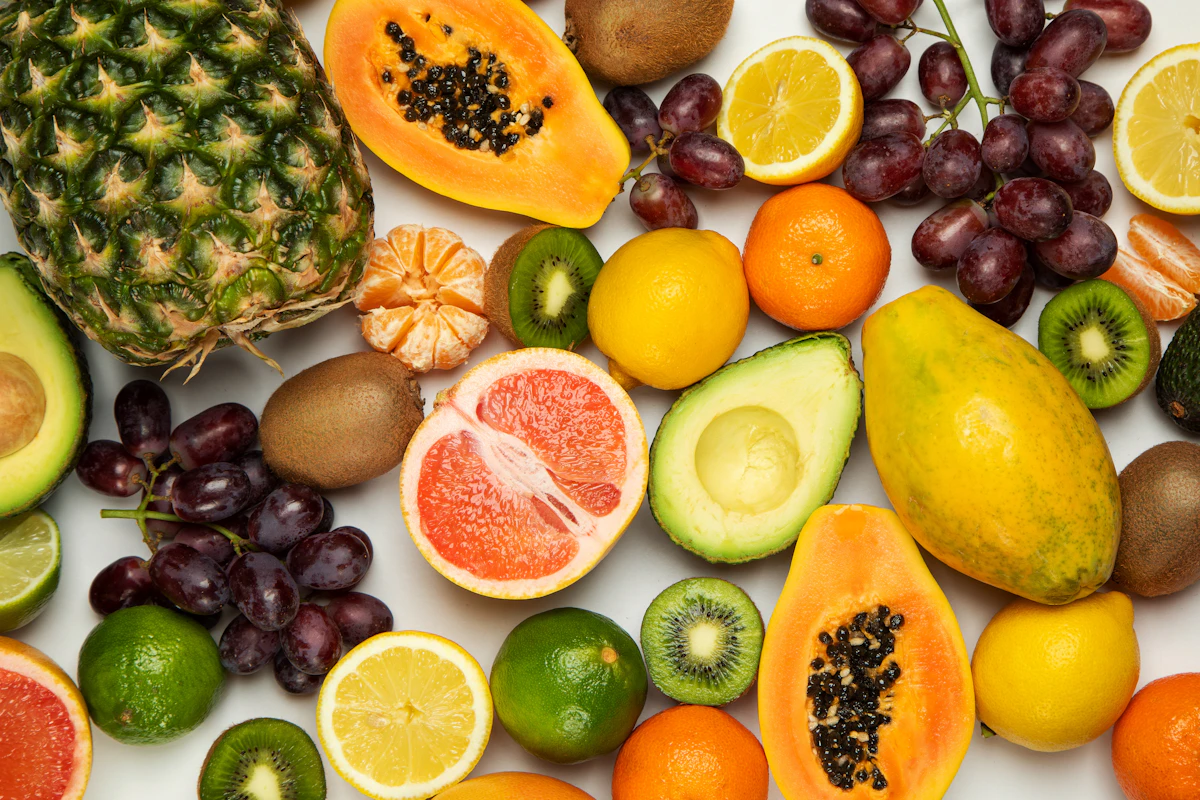
Contrary to popular belief, citrus fruit isn't even the richest source of vitamin C. Several vegetables contain more per serving, and eating produce raw or lightly cooked preserves significantly more of the nutrient than boiling.
| Food (100g serving) | Approx. Vitamin C |
|---|---|
| Red bell pepper (raw) | ~128 mg |
| Kiwi fruit | ~93 mg |
| Broccoli (raw) | ~89 mg |
| Strawberries | ~59 mg |
| Orange | ~53 mg |
| Brussels sprouts (cooked) | ~50 mg |
| Papaya | ~62 mg |
| Tomato (raw) | ~14 mg |
A simple rule of thumb: eating two to three servings of raw or lightly steamed fruits and vegetables from this list most days is generally enough to meet the daily requirement without any supplementation at all.
Supplementation: What Works
For people who struggle to get enough vitamin C from food alone, supplementation is a reasonable and generally low-risk option. A few practical points are worth knowing before starting one.
- Standard doses: Most over-the-counter supplements provide 500–1,000 mg per dose, which is well above the basic daily requirement but still considered safe for most healthy adults.
- Absorption has a ceiling: The body absorbs vitamin C less efficiently at very high single doses, so splitting intake across two smaller doses a day tends to be more effective than one large dose.
- Form matters less than people think: Standard ascorbic acid is well absorbed by most people; "buffered" or liposomal versions are marketed as superior but the evidence for meaningfully better absorption in healthy individuals is limited.
- Diagnosed deficiency needs medical dosing: Confirmed scurvy is typically treated with higher, medically supervised doses for a defined period, not indefinite high-dose self-supplementation.
- Watch for interactions: High-dose vitamin C can interact with certain chemotherapy drugs and may affect blood glucose meter readings, so anyone on medication should check with a doctor or pharmacist first.
Why Vitamin C Matters Beyond Preventing Deficiency
Vitamin C's reputation is largely built around its role in immune support, but its functions run considerably deeper than most people realize. Understanding these roles helps explain why deficiency symptoms show up across so many different systems of the body at once.
Collagen Production
Vitamin C acts as a required cofactor for two enzymes involved in stabilizing the collagen molecule. Without adequate vitamin C, the body can still produce collagen precursors, but it cannot properly cross-link them into strong, functional collagen fibers. This is the underlying mechanism behind nearly every physical symptom of deficiency, from bleeding gums to slow wound healing to weakened blood vessel walls.
Iron Absorption
Non-heme iron, the type found in plant foods like spinach, lentils, and fortified cereals, is poorly absorbed on its own. Vitamin C converts this iron into a more absorbable form, which is why pairing iron-rich plant foods with a vitamin C source, such as adding lemon juice to a lentil dish, meaningfully improves iron uptake. People with both low vitamin C and low iron intake may develop overlapping deficiency symptoms that are easy to misattribute to a single cause.
Antioxidant Protection
As an antioxidant, vitamin C helps neutralize free radicals generated by normal metabolism, pollution, UV exposure, and cigarette smoke. It also helps regenerate vitamin E after it has been used to neutralize its own free radicals, meaning the two nutrients work partly in tandem. Chronically low vitamin C can leave cells more exposed to oxidative damage over time.
Immune Cell Function
White blood cells contain vitamin C at concentrations many times higher than what is found in blood plasma, and levels drop rapidly during infection as the immune system uses it up. This is part of the reason vitamin C is so strongly associated with immune health in the public imagination, even though evidence for it dramatically shortening or preventing common colds in well-nourished people is more modest than popular belief suggests.
Common Myths About Vitamin C
Vitamin C is one of the most talked-about nutrients, which unfortunately means it's also surrounded by more misinformation than most. Clearing up a few common myths can help set realistic expectations.
Myth: Megadosing prevents every cold
Large-scale research on vitamin C and the common cold generally shows a modest reduction in cold duration for the general population, not a dramatic prevention effect. The exception is people under significant physical stress, such as marathon runners or soldiers in cold climates, where regular supplementation has shown a more measurable preventive benefit.
Myth: More is always better
Vitamin C absorption efficiency actually decreases at higher single doses, and unabsorbed vitamin C simply passes through the digestive system, sometimes causing loose stools or cramping. There is a practical ceiling beyond which additional intake offers diminishing returns.
Myth: Only citrus fruit counts
As the food source table above shows, several vegetables, including red bell peppers and broccoli, contain more vitamin C per serving than an orange. Relying exclusively on citrus can actually make it harder to hit daily targets if citrus isn't consistently available or appealing.
Myth: Vitamin C deficiency only happens in developing countries
While food insecurity plays a role globally, documented cases continue to appear in higher-income countries, often tied to smoking, alcohol use disorder, restrictive diets, or social isolation among older adults, rather than a simple lack of food availability.
How Vitamin C Deficiency Is Diagnosed
Vitamin C deficiency is typically diagnosed through a combination of symptom review and, when needed, a blood test measuring plasma or leukocyte ascorbic acid levels. Because symptoms overlap with several other conditions, including iron deficiency and certain autoimmune disorders, a doctor may also order additional bloodwork to rule out other causes of fatigue, bruising, or gum problems.
A plasma vitamin C level below roughly 0.2 mg/dL is generally considered consistent with deficiency, though reference ranges can vary slightly between labs. Self-diagnosing based on symptoms alone is not recommended, since several of the hallmark signs — fatigue, bruising, slow healing — can also point to unrelated and sometimes more serious conditions.
Recovery Timeline: What to Expect
One of the most common questions people have once they suspect a deficiency is simply how long recovery will take. The answer depends heavily on how severe the deficiency was to begin with, but there is a fairly consistent general pattern.
| Timeframe | What Typically Happens |
|---|---|
| 3–5 days | Energy levels often begin to improve as vitamin C is used to restore basic cellular functions |
| 1–2 weeks | Gum bleeding and tenderness usually starts to subside noticeably |
| 2–4 weeks | Bruising frequency decreases and minor wounds begin healing at a more normal pace |
| 4–8 weeks | Skin texture improves and hair changes gradually normalize as new collagen forms |
| 2–3 months | Joint pain and more severe scurvy-related symptoms typically resolve fully with consistent treatment |
These timeframes are general patterns rather than guarantees, and people with underlying conditions affecting absorption may take longer to see improvement. Anyone under medical supervision for confirmed deficiency should follow their provider's specific monitoring schedule rather than these general estimates.
Prevention Strategies
Preventing vitamin C deficiency is usually far easier than treating an advanced case. A few consistent habits go a long way.
- Eat produce raw or lightly cooked when possible. Steaming, microwaving, or eating raw preserves considerably more vitamin C than boiling.
- Aim for variety, not just citrus. Bell peppers, broccoli, and berries often outperform oranges per serving.
- Store produce properly. Vitamin C degrades over time even in the refrigerator, so eating fresh produce within a few days of purchase preserves more of its nutrient content.
- Reconsider smoking. Beyond its many other health effects, smoking meaningfully raises vitamin C requirements.
- Check in on older relatives living alone. Reduced appetite and limited grocery access are common but often overlooked risk factors in this group.
- Talk to a doctor before cutting out entire food groups. Restrictive diets should be planned carefully to avoid unintentional nutrient gaps.
Cooking Tips That Preserve More Vitamin C
Because vitamin C is both heat- and water-sensitive, how food is prepared can matter almost as much as which foods are chosen. A few practical adjustments can help retain significantly more of the nutrient by the time food reaches the plate.
- Steam instead of boil. Boiling allows vitamin C to leach directly into the cooking water, which is usually discarded. Steaming limits direct water contact and preserves more of the nutrient.
- Use the microwave for vegetables. Short microwave cooking times combined with minimal added water tend to retain more vitamin C than stovetop boiling.
- Cut produce right before eating. Vitamin C begins degrading once a fruit or vegetable's surface is exposed to air, so slicing well in advance of a meal can reduce its content.
- Store leafy greens and berries cold. Refrigeration slows the natural degradation process compared to leaving produce at room temperature.
- Add raw finishing touches. A squeeze of lemon juice or a handful of raw chopped bell pepper added just before serving tops up a dish's vitamin C content without any cooking loss at all.
When to See a Doctor
Mild, early symptoms like occasional bruising or mild fatigue can often be addressed by improving diet and monitoring for a few weeks. However, medical evaluation is warranted if any of the following apply:
- Gums are bleeding, swollen, or teeth feel loose
- Joint pain or swelling appears without clear injury
- Wounds are not healing after two to three weeks
- Bruising is widespread, severe, or appears without any trauma
- Fatigue is significant and persists despite adequate sleep and diet changes
- Symptoms occur alongside known risk factors such as heavy smoking, alcohol use, or a restrictive diet
A healthcare provider can confirm the diagnosis, rule out overlapping conditions, and recommend an appropriate, safe dosing plan rather than relying on guesswork.
Frequently Asked Questions
What is the fastest way to fix a vitamin C deficiency?
Increasing intake of vitamin C-rich foods such as citrus fruit, bell peppers, and broccoli, alongside a short course of supplementation under medical guidance, typically improves mild deficiency within a few weeks. Severe deficiency requires higher-dose supplementation supervised by a doctor.
Can you be deficient in vitamin C even if you eat fruit?
Yes. Vitamin C degrades quickly with heat, light, and storage time, so cooked, canned, or long-stored produce can contain far less than expected. Smokers, people with restrictive diets, and those with malabsorption conditions can also become deficient despite eating some fruit.
What are the first signs of low vitamin C?
Early signs often include unusual fatigue, easy bruising, dry or rough skin, slow-healing cuts, and gums that bleed when brushing. These signs are subtle and frequently mistaken for general tiredness or aging.
How long does it take to develop scurvy?
Scurvy generally develops after roughly one to three months of consistently very low or absent vitamin C intake, since the body's stores are typically depleted over that timeframe.
Who is most at risk of vitamin C deficiency?
Smokers, people with limited access to fresh produce, older adults living alone, people with alcohol use disorder, individuals on very restrictive diets, and those with malabsorption conditions such as inflammatory bowel disease face the highest risk.
Is it possible to take too much vitamin C?
Vitamin C is water-soluble and excess amounts are generally excreted in urine, but very high doses can cause digestive upset such as diarrhea and stomach cramps, and may increase kidney stone risk in people who are already prone to them.