
Histamine Intolerance Symptoms: Why Your Body Might Be Overreacting to Everyday Food
Quick Answer: Histamine intolerance happens when your body accumulates more histamine than it can break down, usually because of low activity of the enzyme DAO (diamine oxidase). Unlike a true food allergy, it isn't triggered by one specific food — it builds up from a combination of high-histamine foods, gut issues, certain medications, and genetics. Common symptoms include headaches, flushing, hives, nasal congestion, digestive upset, and a racing heart, often appearing 20 minutes to a few hours after eating.
- What Histamine Intolerance Actually Is
- The Full List of Symptoms
- What Causes It
- High-Histamine Foods to Watch
- Histamine Intolerance vs. Food Allergy vs. Mast Cell Activation
- How It's Diagnosed
- Managing Symptoms Day to Day
- Nutrients That Support Histamine Breakdown
- Building a Low-Histamine Routine
- Frequently Asked Questions
If you've ever eaten a meal that felt completely normal — leftovers, a glass of red wine, some aged cheese — and then spent the next hour with a pounding headache, blotchy skin, and a stomach that wouldn't settle, you already know how confusing this can be. You didn't eat anything unusual. Nobody else at the table got sick. And yet your body reacted like something was wrong.
For a lot of people, that reaction gets written off as "sensitive stomach" or stress, and they move on. But if this kind of thing keeps happening — especially with foods that are fermented, aged, leftover, or alcoholic — there's a decent chance the underlying issue is histamine intolerance. It's one of those conditions that doesn't get much airtime in mainstream health conversations, but once you understand what's actually happening in the body, a lot of seemingly random symptoms suddenly make sense.
What Histamine Intolerance Actually Is
Histamine is not the enemy here. It's a completely normal chemical that your body produces and uses constantly. It plays a role in your immune response, it helps regulate stomach acid for digestion, and it acts as a signaling molecule in your brain, affecting things like alertness and wakefulness. You need histamine. The problem isn't that it exists — it's that some people accumulate too much of it and can't clear it out fast enough.
That clearing-out job mostly falls to an enzyme called diamine oxidase, usually shortened to DAO. DAO is produced in the lining of your small intestine, and its main function is breaking down histamine that comes in through food before it gets absorbed into your bloodstream in large amounts. There's a second enzyme, HNMT (histamine N-methyltransferase), that handles histamine inside your cells, but DAO is the one most closely tied to the food-related symptoms most people experience.
When DAO activity is low — whether from genetics, gut damage, medication interference, or nutrient deficiencies — histamine from food doesn't get broken down efficiently. It builds up in the bloodstream and starts producing effects throughout the body: blood vessels dilate, smooth muscle contracts, nerve endings get more reactive, and mucus production increases. That's the biological chain reaction behind almost every symptom on the list below.

Fermented, aged, and cured foods are naturally high in histamine and are frequent flare-up triggers.
The Full List of Symptoms
One of the reasons histamine intolerance is so often missed or misdiagnosed is that its symptoms overlap with a dozen other conditions — allergies, anxiety, IBS, migraines, even perimenopause. There isn't one telltale sign. Instead, there's a cluster of symptoms that tend to show up together, usually within 20 minutes to a few hours of eating a histamine-rich meal.
Skin reactions
Flushing (especially in the face, neck, and chest), hives, itching, and eczema flare-ups are some of the most visible signs. Some people notice their skin gets blotchy or warm to the touch after certain meals, almost like a mild allergic reaction that fades on its own after an hour or two.
Digestive symptoms
Because histamine is directly involved in stomach acid regulation, digestive symptoms are extremely common. Bloating, abdominal cramping, diarrhea, and reflux are frequently reported, and this overlap is a big reason histamine intolerance often gets mistaken for IBS or a general food sensitivity.
Headaches and migraines
Histamine causes blood vessels to dilate, and for people who are prone to migraines, that vascular change can be enough to set one off. Red wine, aged cheese, and chocolate — all high-histamine foods — are classic migraine triggers for exactly this reason.
Nasal and respiratory symptoms
Runny or stuffy nose, sneezing, and sinus pressure that shows up after eating (rather than seasonally) can be a histamine response rather than a true allergy or cold.
Cardiovascular symptoms
Some people experience a racing heart, heart palpitations, or a sudden drop in blood pressure after a histamine-heavy meal. This tends to be one of the more alarming symptoms, since it can feel like an anxiety attack or a cardiac event, and it's worth ruling out other causes with a doctor if it happens repeatedly.
Fatigue and brain fog
Because histamine also acts as a neurotransmitter, an excess can leave people feeling unusually tired, foggy, or irritable, particularly in the hours following a trigger meal.
Menstrual symptoms
Histamine and estrogen have a two-way relationship — estrogen can trigger histamine release, and histamine can affect estrogen metabolism. Some people notice their histamine symptoms are noticeably worse in the days leading up to their period.
What Causes Histamine Intolerance
There isn't a single root cause. In most cases, it's a combination of factors that reduces the body's histamine-clearing capacity below what it needs to keep up with intake. The most common contributors include:
Low DAO enzyme activity
Some people are genetically predisposed to lower DAO production. Certain gene variants affecting the DAO enzyme (AOC1 gene mutations) have been studied as a contributing factor, though genetics alone rarely explain the full picture.
Gut lining damage
Since DAO is produced in the small intestine lining, anything that damages that lining — untreated celiac disease, small intestinal bacterial overgrowth (SIBO), inflammatory bowel disease, or chronic gut inflammation — can reduce DAO output significantly.
Medications that block DAO
A number of common medications interfere with DAO activity, including certain antidepressants, NSAIDs like ibuprofen, some antihistamines (ironically), and certain blood pressure medications. If symptoms started around the same time as a new prescription, that timing is worth mentioning to a doctor.
Gut bacteria imbalance
Certain strains of gut bacteria actually produce histamine themselves as a byproduct of fermentation. An overgrowth of these histamine-producing bacteria can add to the total histamine load, independent of what's being eaten.
High cumulative histamine intake
Even with normal DAO activity, eating a lot of histamine-rich food in a short window — a few glasses of wine with a charcuterie board, for example — can temporarily overwhelm the body's capacity to clear it, producing symptoms even in people who don't have chronic intolerance.
High-Histamine Foods to Watch
Histamine levels in food increase with fermentation, aging, and time. Fresh food generally has less histamine than the same food left in the fridge for a few days, which is part of why leftovers are such a common trigger.
| High-Histamine (Common Triggers) | Generally Lower-Histamine (Better Tolerated) |
|---|---|
| Aged cheeses (parmesan, blue cheese, cheddar) | Fresh mozzarella, ricotta, cottage cheese |
| Cured/processed meats (salami, bacon, deli meat) | Freshly cooked chicken, turkey, fresh fish |
| Fermented foods (sauerkraut, kimchi, kombucha) | Fresh vegetables (non-fermented) |
| Red wine, champagne, beer | Herbal tea, water |
| Vinegar and vinegar-containing condiments | Fresh lemon or lime juice |
| Leftovers stored more than 24 hours | Freshly cooked meals eaten same-day |
| Spinach, tomatoes, eggplant, avocado | Zucchini, broccoli, carrots, sweet potato |
| Chocolate and cocoa | Most fresh fruit (except citrus, strawberries) |
| Smoked or canned fish | Fresh, frozen (not canned) fish and shellfish |
This list isn't a permanent restriction — most people with histamine intolerance don't need to avoid every item forever. It's more useful as a starting point for an elimination phase, which is covered further down.
Histamine Intolerance vs. Food Allergy vs. Mast Cell Activation
These three get confused constantly, and the distinctions actually matter for how they're treated.
| Condition | Trigger | Onset | Testing |
|---|---|---|---|
| Histamine Intolerance | Cumulative histamine load, dose-dependent | 20 min – several hours | No single definitive test; elimination diet + symptom tracking |
| True Food Allergy (IgE-mediated) | One specific protein, immune-triggered | Minutes, can be severe/anaphylactic | Skin prick or blood IgE testing |
| Mast Cell Activation Syndrome | Multiple unrelated triggers (food, heat, stress, exercise) | Variable, often unpredictable | Specialist evaluation, tryptase and other mediator testing |
A true food allergy reliably reacts to the same specific food every time, often severely. Histamine intolerance is dose-dependent and cumulative — a small amount of a trigger food might cause no symptoms, while a larger amount, or that same food combined with wine and leftovers, tips things over the edge. Mast cell activation syndrome is broader still, with non-food triggers like heat, stress, or exercise also setting off reactions, and it typically requires a specialist for proper diagnosis.
How Histamine Intolerance Is Diagnosed
There's no single blood test that definitively confirms histamine intolerance, which is part of why it's underdiagnosed. Doctors typically use a combination of approaches:
- Symptom and food diary: Tracking meals against symptoms over 2–4 weeks to spot patterns.
- DAO enzyme activity blood test: Available in some clinics, though results don't always correlate perfectly with symptom severity.
- Elimination and reintroduction diet: Removing high-histamine foods for 2–4 weeks, then reintroducing them one at a time to see what triggers symptoms. This is considered the most practical diagnostic tool available.
- Ruling out other conditions: Celiac disease, SIBO, and true food allergies are often tested for first, since treating those underlying issues can resolve histamine symptoms without any dietary restriction at all.
A simple food-and-symptom diary is still one of the most reliable diagnostic tools for histamine intolerance.
Managing Symptoms Day to Day
Start with an elimination phase, not a permanent diet
Cutting out high-histamine foods for 2 to 4 weeks gives your body a chance to reset and gives you a clear baseline. Going in with the mindset that this is a lifelong restriction usually backfires — it's stressful, unnecessarily limiting, and most people can tolerate moderate amounts of many trigger foods once their gut health improves.
Reintroduce one food at a time
After the elimination phase, add foods back individually, a few days apart, while tracking symptoms. This is how you build a personal list of actual triggers instead of guessing based on a generic chart.
Prioritize freshness
Since histamine builds up over time, eating freshly cooked food rather than leftovers, and freezing portions instead of refrigerating them for days, can meaningfully cut histamine exposure without eliminating any specific ingredient.
Support gut health
Because gut lining integrity affects DAO production, addressing underlying gut issues — through diet, stress management, or working with a doctor on conditions like SIBO — often does more for long-term symptom control than food restriction alone.
Review medications with a doctor
If a DAO-blocking medication lines up with when symptoms started, that's worth discussing with a prescriber rather than adjusting on your own.
Consider a DAO supplement
Over-the-counter DAO enzyme supplements, taken before meals, help some people process dietary histamine more effectively. They're not a fix for the underlying cause, but they can reduce symptom severity in the short term, particularly around higher-risk meals like restaurant dinners with wine.
Nutrients That Support Histamine Breakdown
Because DAO is an enzyme, it needs specific nutrient cofactors to function properly, and deficiencies in a few key nutrients can quietly worsen histamine intolerance even when the diet itself looks reasonable.
Vitamin B6
Vitamin B6 is a direct cofactor for DAO enzyme activity, meaning the enzyme literally cannot function at full capacity without adequate B6 levels. People on a restrictive diet, or those with absorption issues from gut inflammation, sometimes find their histamine symptoms improve once B6 status is corrected.
Copper
Copper is another required cofactor for DAO. It's not commonly deficient in a typical diet, but it's worth knowing about if other causes have been ruled out and symptoms persist.
Vitamin C
Vitamin C doesn't just support immune function in the usual sense — it also appears to help lower circulating histamine levels and has been studied for its role in reducing allergy-type symptoms. Fresh, non-citrus sources like bell peppers and broccoli are generally well tolerated.
Quercetin
This plant compound, found in onions, apples, and capers, is sometimes described as a natural mast cell stabilizer, meaning it may help reduce the amount of histamine released from cells in the first place. It's popular in histamine-focused supplement protocols, though it works best alongside dietary changes rather than as a standalone fix.
None of these nutrients replace the core strategy of identifying and managing trigger foods, but they're a useful piece of the picture, especially for people whose symptoms haven't fully resolved after an elimination diet.
Building a Low-Histamine Routine That Actually Sticks
The biggest mistake people make after getting a histamine intolerance explanation for their symptoms is treating it like a strict, permanent diet overnight. That approach tends to create anxiety around food, and it's usually unnecessary. A more sustainable path looks like this:
- Cook in smaller batches. Instead of a big pot of soup eaten over four days, cook smaller portions more frequently, or freeze extras immediately instead of refrigerating them.
- Separate trigger foods rather than banning them. If red wine is a known trigger, that doesn't necessarily mean aged cheese also has to go on the same night — combining multiple triggers is often what pushes things over the threshold.
- Watch for hidden histamine liberators. Some foods, like citrus, strawberries, and certain food dyes, don't contain much histamine themselves but can trigger the body to release its own stored histamine. These are worth tracking separately from true high-histamine foods.
- Give changes time. Gut lining repair and enzyme activity don't shift overnight. Most people need at least four to six weeks of consistent changes before drawing conclusions about what's working.

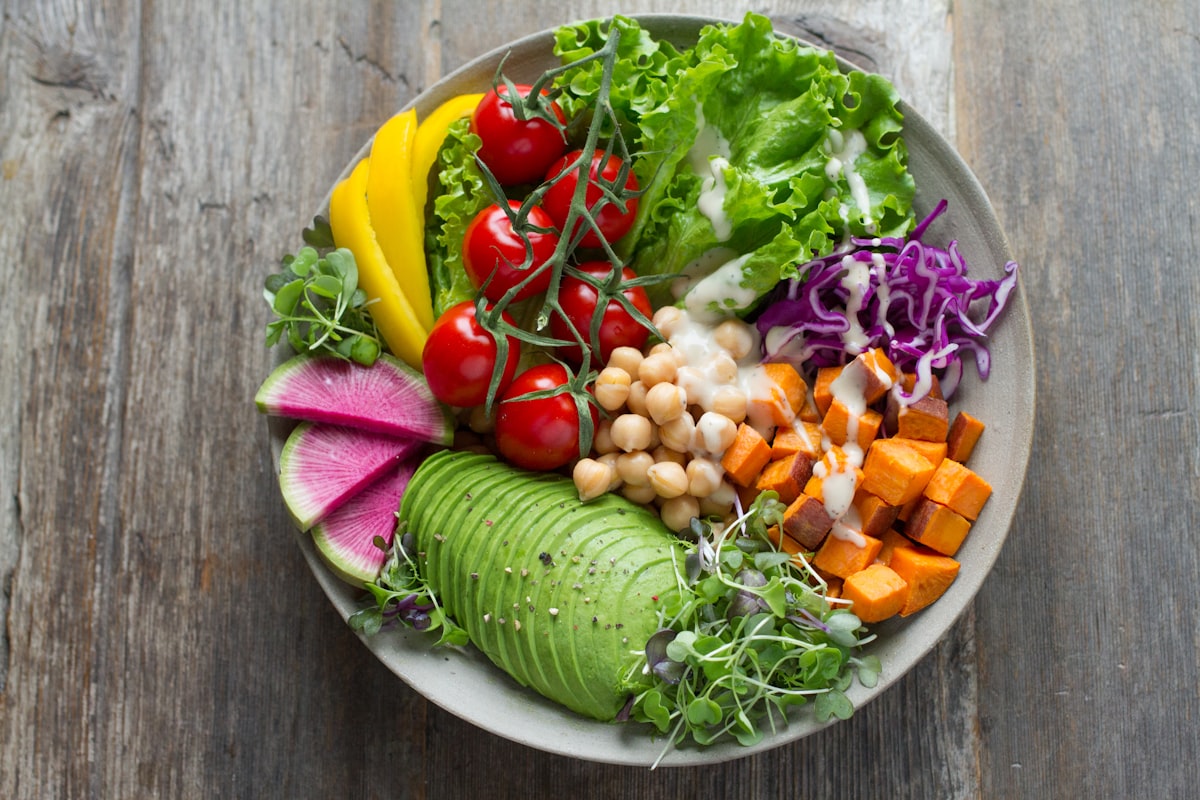
Fresh, freshly cooked meals — rather than leftovers — are one of the simplest ways to lower daily histamine load.
Frequently Asked Questions
Can histamine intolerance develop suddenly in adulthood?
Yes. Unlike a genetic food allergy that's usually present from childhood, histamine intolerance often develops later in life, frequently following a gut infection, a course of certain medications, hormonal shifts like perimenopause, or a period of chronic gut inflammation that lowers DAO production.
Is histamine intolerance the same as being allergic to histamine?
Not exactly. It's more accurate to describe it as an inability to break down histamine efficiently, rather than a true immune allergy to histamine itself. The symptoms can look allergic because histamine is the same molecule involved in allergic reactions, but the underlying mechanism is different.
Do antihistamines help with histamine intolerance?
They can reduce symptoms in the short term by blocking histamine receptors, but some antihistamines also interfere with DAO enzyme activity, which can be counterproductive long-term. This is a good topic to discuss with a doctor rather than self-managing indefinitely.
Can stress make histamine intolerance worse?
Yes. Stress triggers the release of histamine from mast cells throughout the body, independent of food. Many people notice their tolerance for trigger foods drops noticeably during high-stress periods, even without changing their diet.
Is there a cure for histamine intolerance?
There's no single cure, but it's often manageable and, in many cases, improvable — particularly when an underlying cause like SIBO, gut inflammation, or a specific medication is identified and addressed. Symptom severity for many people decreases significantly over months once the root contributors are managed.
Does cooking food reduce its histamine content?
Cooking has a limited effect — histamine is fairly heat-stable, so boiling or baking a high-histamine food won't reduce its histamine load much. Freshness and storage time matter far more than cooking method.