
How to Lose Weight Naturally: A Complete, Science-Backed Guide

If you've spent any time searching "how to lose weight," you already know the internet is drowning in miracle teas, 3-day cleanses, and diet plans that promise you'll drop ten pounds by Friday. Most of it doesn't work, and the parts that do work rarely get explained in plain language.
This guide skips the hype. It's built around what actually moves the needle — the boring, repeatable habits that add up to real, lasting fat loss. No fad diets, no starvation, no supplements you have to mortgage your car to afford. Just a clear plan you can actually stick to.
Why Most Weight Loss Attempts Fail
Before getting into what works, it's worth understanding why so many attempts don't. The most common reason isn't lack of willpower — it's that most plans are built for short-term results, not long-term habits. A diet that cuts your calories too aggressively might show fast results, but it's nearly impossible to maintain, and the weight almost always comes back once normal eating resumes.
Sustainable fat loss isn't about finding the "perfect" plan. It's about finding a moderately imperfect plan you can follow for months, not days.
1. Understand the Real Driver: Energy Balance
At the core of weight loss is a simple concept: you lose fat when you consistently burn more energy than you consume. This is called a calorie deficit. It doesn't mean every calorie is identical for your health, but for the specific goal of losing weight, this is the mechanism that matters most.
A modest deficit — roughly 300 to 500 calories below your maintenance level — tends to produce steady, sustainable fat loss of about half a kilogram to a kilogram (roughly one to two pounds) per week, without triggering the extreme hunger and muscle loss that come with crash diets.
You don't need to starve yourself to lose fat. You need a small, consistent gap between what you eat and what you burn — held steady for weeks, not days.
2. Build Meals Around Protein and Fiber
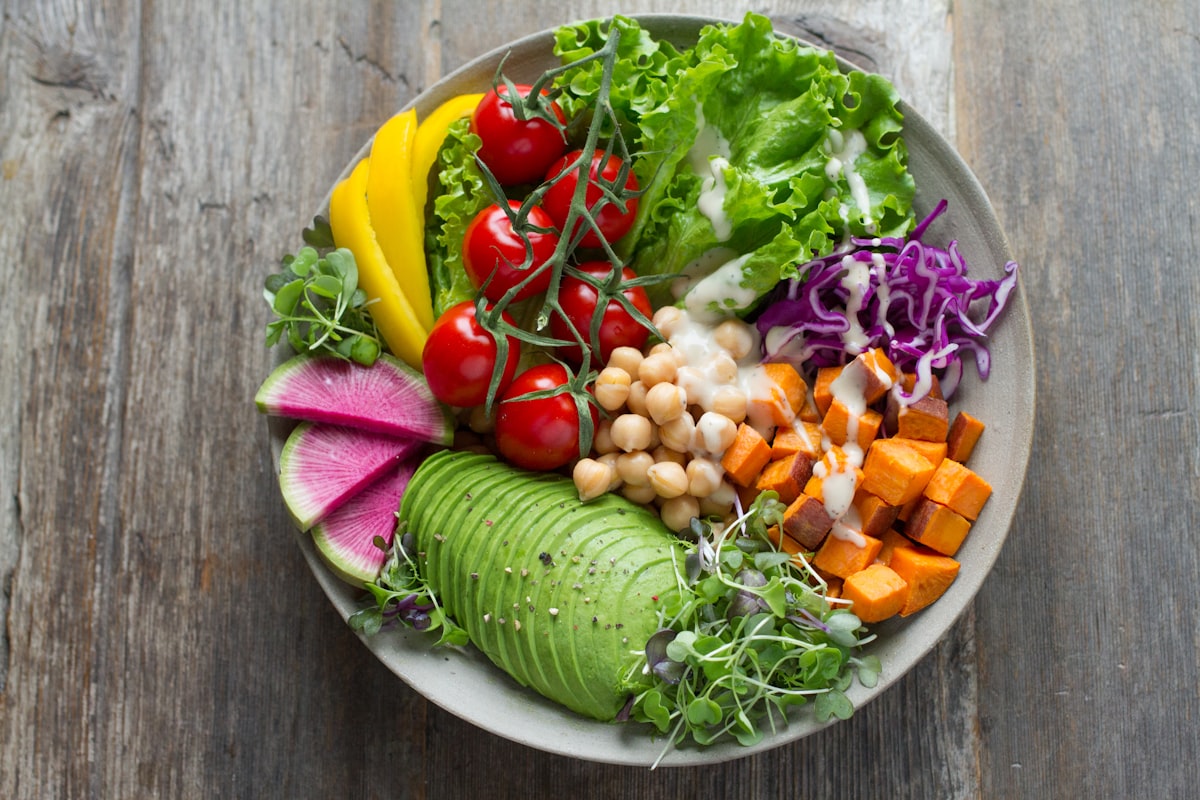
Not all calories affect hunger the same way. Protein and fiber are the two nutrients that do the most to keep you full, which makes staying in a calorie deficit far less miserable.
- Protein — found in eggs, chicken, fish, tofu, beans, and Greek yogurt — takes more energy to digest and helps preserve muscle mass while you lose fat.
- Fiber — found in vegetables, fruits, oats, and legumes — slows digestion and helps you feel satisfied on fewer calories.
- Ultra-processed, low-fiber foods (chips, sugary drinks, pastries) tend to be easy to overeat because they don't trigger the same fullness signals.
A simple rule of thumb: build most meals around a palm-sized portion of protein, a fist-sized portion of vegetables, and a cupped-hand portion of carbohydrates. It's not a perfect science, but it's a framework that works without obsessive calorie counting.
3. Strength Training Matters More Than You Think

Cardio gets most of the attention in weight loss content, but strength training deserves at least equal billing. When you're in a calorie deficit, your body can lose both fat and muscle. Resistance training — lifting weights, bodyweight exercises, resistance bands — signals your body to hold onto muscle while the fat comes off.
This matters for two reasons: muscle helps you burn more calories at rest, and it's what gives your body a toned, defined look once the fat is gone. A body that's just "smaller" looks very different from one that's smaller and has maintained muscle.
You don't need to live in the gym. Two to three strength sessions a week, combined with regular walking, is enough for most people to see real change over a few months.
4. Walk More Than You Think You Need To
Of all the weight loss tools available, walking is the most underrated. It burns calories without spiking hunger the way intense exercise sometimes does, it's low-impact enough to do daily, and it doesn't require recovery time.
Aiming for 7,000–10,000 steps a day is a reasonable target for most people. If you're currently far below that, don't try to jump there overnight — increase gradually by adding short walks after meals or taking calls on your feet.
5. Sleep Is a Weight Loss Tool, Not a Luxury
Poor sleep disrupts the hormones that regulate hunger — ghrelin (which increases appetite) rises, and leptin (which signals fullness) drops. This is a major, often-overlooked reason people who are sleep-deprived tend to eat more and crave higher-calorie foods.
Aiming for 7–9 hours of consistent sleep isn't just good for your energy and mood — it directly supports your ability to stick to a calorie deficit without feeling like you're fighting your own body all day.
6. Manage Stress, Because Cortisol Doesn't Care About Your Diet Plan
Chronic stress keeps cortisol elevated, which can increase appetite and cravings for high-sugar, high-fat foods. It can also disrupt sleep, creating a cycle that works against fat loss. This doesn't mean stress alone causes weight gain, but managing it — through walks, breathing exercises, hobbies, or simply protecting downtime — makes every other part of the plan easier to follow.
7. Track Progress Without Becoming Obsessed
The scale is one data point, not the whole story. Water retention, hormonal cycles, and digestion can shift your weight by a kilogram or more day to day, even when you're losing fat. A more reliable approach is to track a weekly average rather than obsessing over daily numbers, and to pair the scale with other signals — how your clothes fit, progress photos, and energy levels.
The One-Week Starter Plan
Pick one habit from each category this week: a protein source at every meal, two strength sessions, a daily 20-minute walk, and a consistent bedtime. Small, stacked habits beat a perfect plan you abandon in ten days.
8. Avoid These Common Mistakes
- Cutting calories too drastically — this often backfires through intense hunger, low energy, and eventual binge eating.
- Eliminating entire food groups unnecessarily — this makes long-term adherence harder and isn't usually needed for fat loss.
- Chasing the scale daily — normal fluctuations can be discouraging even when you're on track.
- Ignoring strength training — leading to more muscle loss and a less defined result.
- Expecting linear progress — weight loss happens in a stair-step pattern, not a straight line.
Frequently Asked Questions
How fast should I expect to lose weight?
A safe, sustainable pace is roughly 0.5–1 kg (1–2 lbs) per week. Faster loss usually means muscle and water loss rather than pure fat, and it's harder to maintain.
Do I need to count calories to lose weight?
Not necessarily. Some people do well with structured tracking, while others succeed with portion-based frameworks like the one described above. The best method is the one you can realistically maintain.
Is cardio or strength training better for fat loss?
Both play a role. Strength training helps preserve muscle and supports long-term metabolism, while cardio adds extra calorie burn. A combination of both, plus daily walking, tends to give the best results.
Why have I hit a weight loss plateau?
As you lose weight, your body needs fewer calories to maintain itself, so a deficit that worked initially may shrink over time. Reassessing portions, activity levels, and even sleep and stress can help break through a plateau.
The Bottom Line
Sustainable weight loss isn't glamorous. It's built from ordinary, repeatable choices — eating enough protein and fiber, moving your body regularly, sleeping well, and managing stress — stacked consistently over months. There's no shortcut that replaces that foundation, but the good news is that once these habits are in place, they tend to become automatic rather than exhausting.
Start with one or two changes this week rather than trying to overhaul everything at once. Small, consistent steps are what separate people who lose weight and keep it off from those who lose it and gain it back.