
How Many Steps a Day Should You Walk to Lose Weight? The Complete Guide

Placeholder image — replace with your own royalty-free photo before publishing.
Quick Answer
Most people begin losing weight by walking 8,000 to 12,000 steps a day, though meaningful health benefits start as low as 6,000 steps. There's no magic number — what matters is creating a consistent calorie deficit through a combination of step count, pace, and diet. The popular "10,000 steps" target is a rounded marketing figure, not a scientifically derived minimum.
If you've ever typed "how many steps a day to lose weight" into Google at 11 p.m. while lying in bed with a fitness tracker strapped to your wrist, you're not alone. It's one of the most searched health questions every January — and for good reason. Walking is free, low-impact, requires no equipment, and is something almost anyone can start today. But the internet is full of conflicting numbers: 10,000 steps, 15,000 steps, 6,000 steps. So what's actually true?
This guide breaks down the real science behind step counts and weight loss, shows you exactly how many calories different step counts burn, and gives you a practical 4-week plan to build the habit without burning out or getting injured.
Where Did the "10,000 Steps" Number Even Come From?
Here's something most articles won't tell you: the 10,000-step benchmark wasn't discovered in a lab. It came from a 1965 Japanese pedometer called "Manpo-kei," which translates roughly to "10,000-step meter." It was a catchy marketing name chosen because the character for "10,000" resembled a person walking — not because researchers had proven that 10,000 was the ideal number for health or weight loss.
Decades later, researchers actually studied this question properly. A well-known 2019 study published in JAMA Internal Medicine followed over 16,000 older women and found that mortality risk dropped significantly up to around 7,500 steps a day, after which the benefit leveled off. Similar research in men and younger populations has found comparable patterns — the biggest health gains happen in the jump from sedentary (2,000–3,000 steps) to moderately active (7,000–8,000 steps), not necessarily from 8,000 to 15,000.
That doesn't mean more steps are useless for weight loss specifically — calorie burn does keep scaling with step count. But it does mean you don't need to hit five digits to see real results.
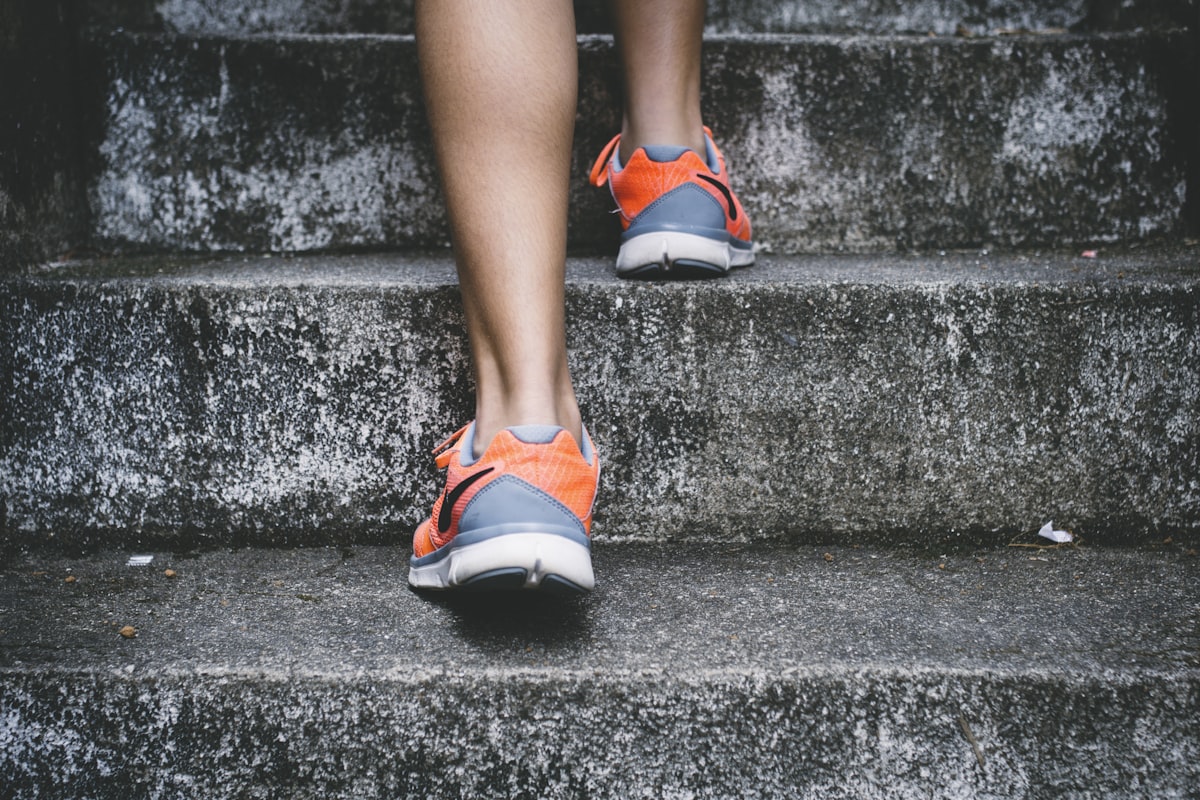
Placeholder image — replace before publishing.
How Many Steps Do You Actually Need to Lose Weight?
Weight loss ultimately comes down to calories in versus calories out. Walking contributes to the "calories out" side of that equation. The exact number of steps you need depends on your current weight, walking pace, and how much you're eating — but here's a realistic breakdown by goal:
| Goal | Daily Step Target | Approximate Weekly Calorie Burn from Walking* |
|---|---|---|
| General health maintenance | 6,000 – 8,000 | 1,200 – 2,000 kcal |
| Gradual weight loss | 8,000 – 10,000 | 2,000 – 3,000 kcal |
| Moderate weight loss (0.5–1 lb/week) | 10,000 – 12,500 | 3,000 – 4,000 kcal |
| Aggressive fat loss (combined with diet) | 12,500 – 15,000+ | 4,000 – 5,500 kcal |
*Estimates based on an average person weighing 150–180 lbs walking at a moderate pace. Individual results vary based on weight, incline, and speed.
Remember: one pound of body fat is roughly equivalent to 3,500 stored calories. So walking alone, without any dietary changes, would need to add up to that weekly deficit consistently to produce a pound of fat loss — which is why pairing steps with mindful eating dramatically speeds up results.
Steps-to-Calories Chart: What Different Step Counts Actually Burn
Calorie burn from walking depends heavily on body weight — heavier individuals burn more calories moving the same distance because they're moving more mass. Here's a general estimate:
| Steps per Day | Distance (approx.) | Calories Burned (130 lb person) | Calories Burned (180 lb person) | Calories Burned (230 lb person) |
|---|---|---|---|---|
| 5,000 | 2.3 miles | 150 | 200 | 250 |
| 7,500 | 3.5 miles | 225 | 300 | 375 |
| 10,000 | 4.5 miles | 300 | 400 | 500 |
| 12,500 | 5.7 miles | 375 | 500 | 625 |
| 15,000 | 6.8 miles | 450 | 600 | 750 |
Why Walking Works So Well for Fat Loss
Walking often gets dismissed as "not a real workout," but it has several underrated advantages over high-intensity exercise, especially for sustainable, long-term fat loss:
- Low injury risk: Unlike running or HIIT, walking places minimal stress on joints, making it sustainable for years rather than weeks.
- Doesn't spike appetite: Intense exercise often triggers compensatory eating afterward. Moderate walking tends to have a neutral or even suppressive effect on appetite.
- Easy to sustain daily: Consistency beats intensity for fat loss. A 30-minute walk you actually do every day burns more calories over a month than an intense workout you skip half the time.
- Improves insulin sensitivity: Regular walking, especially after meals, helps muscles absorb glucose more efficiently, which can reduce fat storage over time.
- Mental health benefits: Walking reduces cortisol and stress, and chronically elevated cortisol is linked to increased abdominal fat storage.

Placeholder image — replace before publishing.
How to Increase Your Daily Steps Without Feeling Like It's a Chore
Getting from 4,000 daily steps (the average for many desk-bound adults) to 10,000+ can feel overwhelming if you try to do it all at once through dedicated "walks." The better approach is to weave steps into your existing routine:
1. Take walking phone calls
Any call that doesn't require a screen or notes can be done pacing around your home, yard, or office. This alone can add 1,000–2,000 steps a day for people who take several calls.
2. Use the "two-minute rule" after meals
A short 10-minute walk after breakfast, lunch, and dinner adds roughly 3,000–4,000 steps daily and has the added benefit of improving blood sugar control.
3. Park farther away, deliberately
Choosing the far end of a parking lot or getting off public transit one stop early adds small, repeatable step increments without requiring extra time in your schedule.
4. Set an hourly movement reminder
Most smartwatches and phones can nudge you to stand and move for a few minutes each hour. Six short movement breaks a day can easily add 2,000+ steps.
5. Walk during "waiting" time
Waiting for water to boil, a video to load, or a microwave to finish are all small windows — pacing during these moments adds up more than people expect.
Common Mistakes That Slow Down Step-Based Weight Loss
- Overestimating calorie burn: Fitness trackers often overestimate calories burned by 20–30%. Don't use that number as a license to eat significantly more.
- Ignoring nutrition entirely: Walking 12,000 steps a day won't offset a consistent calorie surplus from diet. Steps and food intake work together, not independently.
- Walking at too slow a pace: A very leisurely stroll burns meaningfully fewer calories than a brisk pace. Aim for a pace where you can talk but not sing comfortably.
- Skipping strength training entirely: Walking preserves some muscle but doesn't build it. Combining a walking routine with 2 days of strength training a week helps maintain metabolism during weight loss.
- Expecting fast results: Meaningful weight change from walking alone typically becomes visible after 4 to 8 weeks of consistency, not days.
Sample 4-Week Walking Plan to Build the Habit
| Week | Daily Step Target | Focus |
|---|---|---|
| Week 1 | 5,000 – 6,000 | Build baseline consistency; track current habits |
| Week 2 | 7,000 – 8,000 | Add one dedicated 15-minute walk daily |
| Week 3 | 9,000 – 10,000 | Add post-meal walks; increase pace on one walk per day |
| Week 4 | 10,000 – 12,000 | Maintain consistency; introduce light hills or incline |
By the end of four weeks, most people find that hitting 10,000+ steps no longer feels like a deliberate task — it becomes a natural byproduct of a more active daily routine.

Placeholder image — replace before publishing.
Frequently Asked Questions
Is 10,000 steps a day actually necessary for weight loss?
No. The figure came from a 1960s marketing campaign, not clinical research. Real health benefits, including weight-related outcomes, begin appearing around 6,000–8,000 steps a day, with the steepest improvement occurring in the first few thousand steps above a sedentary baseline.
How many steps a day do I need to lose 1 pound a week?
You'd need roughly a 500-calorie daily deficit. Since walking burns about 30–50 calories per 1,000 steps depending on weight and pace, most people need an extra 8,000–12,000 steps a day on top of their normal activity, combined with modest dietary changes, to reach that target consistently.
Can I lose belly fat by walking alone?
Yes, over time — though not through spot reduction. Consistent walking reduces overall and visceral fat when paired with a calorie-aware diet, and waist circumference is often one of the first measurements to improve.
Is it better to walk fast or walk longer for weight loss?
Both help, but pace has a slight edge per minute spent. A brisk pace (3–4 mph) burns more calories per minute and improves cardiovascular fitness faster than a slow stroll of the same duration.
What is the best time of day to walk for weight loss?
There's no universally "best" time, but short walks after meals help blunt blood sugar spikes, and morning walks tend to have higher long-term adherence since they're less likely to get skipped due to a busy day.
The Bottom Line
There's no single magic step count that guarantees weight loss for everyone — your ideal target depends on your current activity level, body weight, walking pace, and diet. But the research is clear on one thing: you don't need to hit 10,000 steps to see real benefits. Starting from wherever you are now and building gradually toward 8,000–12,000 daily steps, combined with mindful eating and a couple of strength sessions a week, is one of the most sustainable, low-injury paths to lasting fat loss.
The best step count, ultimately, is the one you'll actually stick to for months, not days.