
15 Foods That Lower Cholesterol Naturally: The Complete Science-Backed Guide
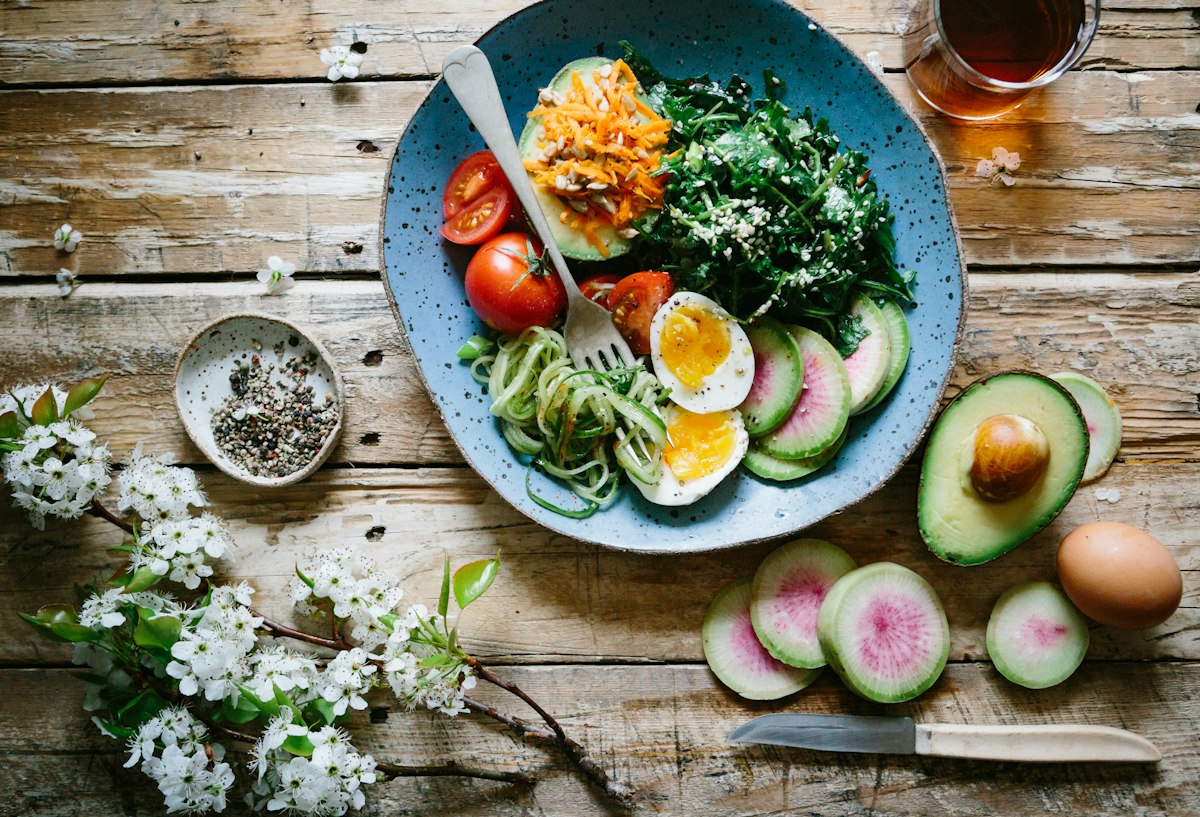
Placeholder image — replace with your own royalty-free photo before publishing.
Quick Answer
The most effective cholesterol-lowering foods are those rich in soluble fiber, unsaturated fats, and plant sterols — oats, beans, nuts, fatty fish, and olive oil top the list. Combined with reducing saturated fat and added sugar, a consistent diet built around these foods can lower LDL ("bad") cholesterol by 10–20% within 8–12 weeks for many people.
High cholesterol rarely comes with obvious symptoms, which is exactly why it's often called a "silent" risk factor for heart disease. If you've recently gotten a blood test back with an LDL number higher than you'd like, you're probably wondering the same thing millions of people search for every year: what should I actually eat to bring this down?
The good news is that diet has a genuinely powerful effect on cholesterol for most people — often rivaling what a starting dose of medication can achieve. This guide walks through the foods with the strongest evidence behind them, how they work biologically, and a realistic 7-day plan to start putting them into practice.
Understanding Cholesterol Basics First
Before diving into foods, it helps to understand what you're actually trying to change. Cholesterol travels through your blood attached to proteins called lipoproteins, and the two you'll see on a lab report are:
- LDL (low-density lipoprotein): Often called "bad" cholesterol because high levels are linked to plaque buildup in artery walls.
- HDL (high-density lipoprotein): Often called "good" cholesterol because it helps transport excess cholesterol back to the liver for removal.
The goal of a cholesterol-lowering diet isn't just to eat "healthy" in a vague sense — it's specifically to lower LDL, ideally raise or maintain HDL, and reduce triglycerides. Different foods target these goals in different ways, which is why variety matters more than any single "superfood."
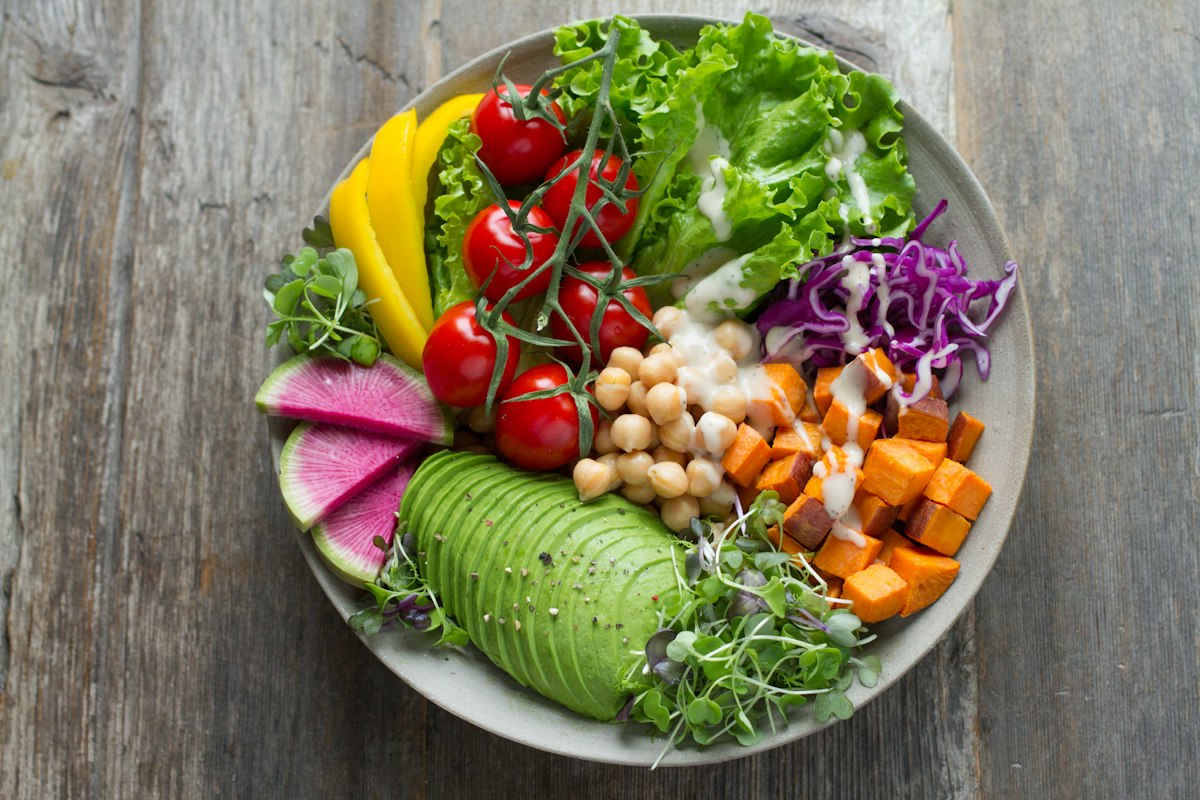
Placeholder image — replace before publishing.
15 Foods That Lower Cholesterol, Ranked by Evidence Strength
| # | Food | Key Mechanism | Suggested Serving |
|---|---|---|---|
| 1 | Oats & oat bran | Beta-glucan soluble fiber binds cholesterol in the gut | 1 cup cooked, daily |
| 2 | Fatty fish (salmon, mackerel, sardines) | Omega-3s lower triglycerides, reduce inflammation | 2–3 servings/week |
| 3 | Walnuts | ALA omega-3s and polyunsaturated fat improve lipid profile | 1 small handful/day |
| 4 | Almonds | Plant sterols and monounsaturated fat lower LDL | 1 oz (about 23 almonds)/day |
| 5 | Beans & lentils | High soluble fiber slows cholesterol absorption | 1/2 – 1 cup, several times/week |
| 6 | Extra virgin olive oil | Monounsaturated fat replaces saturated fat sources | 1–2 tbsp/day |
| 7 | Avocados | Monounsaturated fat and fiber combination | 1/2 avocado/day |
| 8 | Apples & pears | Pectin, a soluble fiber, binds cholesterol | 1 medium fruit/day |
| 9 | Barley | Beta-glucan similar to oats | 1/2 cup cooked, few times/week |
| 10 | Chia & flax seeds | Omega-3 ALA and soluble fiber | 1–2 tbsp ground, daily |
| 11 | Soy foods (tofu, edamame) | Replaces animal protein/saturated fat sources | 1 serving/day |
| 12 | Garlic | Modest LDL reduction shown in several trials | 1–2 cloves/day, cooked or raw |
| 13 | Green tea | Catechins linked to modest LDL reduction | 2–3 cups/day |
| 14 | Eggplant & okra | Soluble fiber content, low calorie density | 1 cup cooked, few times/week |
| 15 | Dark chocolate (70%+ cacao) | Flavonoids modestly support healthy lipid balance | 1 small square, a few times/week |
Foods and Habits That Work Against You
Adding good foods matters less if you're also eating things that actively raise LDL. The biggest offenders, by strength of evidence, are:
- Trans fats: Found in some fried foods, packaged baked goods, and partially hydrogenated oils. These raise LDL and lower HDL — a double negative.
- Excess saturated fat: Found in fatty cuts of red meat, butter, and full-fat dairy. Moderation, not elimination, is generally the evidence-backed approach.
- Refined carbs and added sugar: These raise triglycerides and can lower HDL, especially when replacing fiber-rich whole foods.
- Excess alcohol: While moderate amounts affect lipids differently in different people, heavy drinking reliably raises triglycerides.
- Unfiltered coffee: French press and Turkish coffee contain diterpenes (cafestol and kahweol) that can raise LDL when consumed in large amounts daily.
Placeholder image — replace before publishing.
7-Day Sample Meal Plan to Lower Cholesterol
| Day | Breakfast | Lunch | Dinner |
|---|---|---|---|
| Mon | Oatmeal with walnuts & berries | Lentil soup with side salad | Baked salmon, quinoa, steamed broccoli |
| Tue | Greek yogurt with chia & apple | Chickpea salad wrap | Tofu stir-fry with mixed vegetables |
| Wed | Oat bran with almonds | Grilled chicken & avocado salad | Black bean tacos with salsa |
| Thu | Smoothie: spinach, flaxseed, banana | Barley vegetable soup | Baked mackerel with roasted sweet potato |
| Fri | Whole grain toast with avocado | Quinoa & bean bowl | Grilled tofu with brown rice & greens |
| Sat | Overnight oats with pear | Sardine & vegetable sandwich | Vegetable curry with lentils |
| Sun | Veggie omelet with olive oil | Leftover curry or soup | Grilled salmon with asparagus |
How Long Until You See Results?
Most people who consistently follow a cholesterol-lowering diet see measurable changes on a lipid panel within 6 to 12 weeks. Because cholesterol synthesis and clearance happen on a rolling basis in the liver, sporadic "good eating" for a few days won't move the needle much — consistency over weeks is what drives the change.
If your LDL is significantly elevated or you have other cardiovascular risk factors, diet changes should be discussed alongside your doctor, since some people need medication in addition to — not instead of — dietary changes.
Frequently Asked Questions
How quickly can diet lower cholesterol?
Most people see measurable changes within 4–6 weeks of consistent dietary changes, with fuller benefits building over about 3 months of sustained habits.
Can eggs raise cholesterol?
For most healthy people, dietary cholesterol from eggs affects blood cholesterol less than once believed, since the liver compensates by adjusting its own production. Saturated and trans fat intake tends to have a bigger impact on LDL for most people.
What is the single best food for lowering cholesterol?
Oats are frequently cited as the most consistently effective everyday food, thanks to their beta-glucan soluble fiber content, which has strong clinical evidence for reducing LDL.
Do I need medication if my cholesterol is only slightly high?
It depends on your full cardiovascular risk profile, not cholesterol numbers in isolation. Many people with mildly elevated LDL can improve it meaningfully through diet and exercise, but this should be decided with a doctor.
Is coffee bad for cholesterol?
Unfiltered coffee (French press, Turkish) contains compounds that can raise LDL. Filtered drip or pour-over coffee removes most of these compounds and is essentially cholesterol-neutral for most people.
The Bottom Line
Lowering cholesterol naturally isn't about one miracle food — it's about consistently shifting your plate toward soluble fiber, unsaturated fats, and plant-based proteins while cutting back on trans fats and excess saturated fat. Start with two or three changes from this list rather than overhauling your entire diet overnight, and give it 8–12 weeks before reassessing with a blood test. Small, sustained changes almost always outperform short, intense ones when it comes to long-term heart health.