
Anti-Inflammatory Diet: The Complete Evidence-Based Guide to Reducing Chronic Inflammation Naturally
Quick Answer
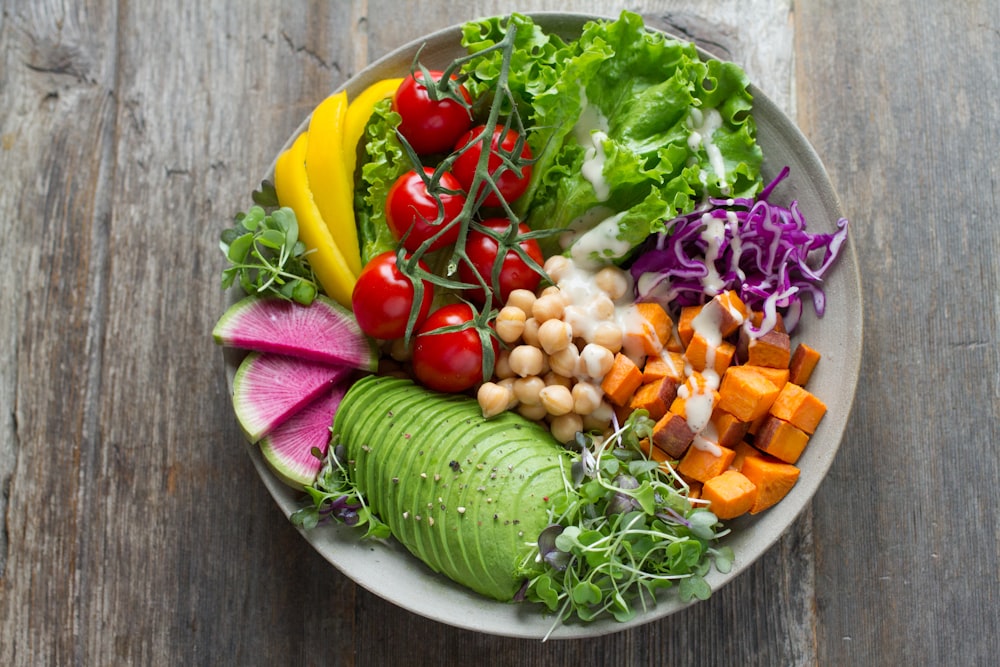
An anti-inflammatory diet emphasizes whole, minimally processed foods — fatty fish, olive oil, vegetables, fruits, nuts, legumes, and whole grains — while limiting refined sugar, processed meats, refined carbohydrates, and industrial seed oils. Research links this eating pattern to lower levels of inflammatory markers like C-reactive protein (CRP), reduced risk of heart disease and type 2 diabetes, and improvements in joint pain and energy. Most people see measurable changes within four to eight weeks of consistent eating, though the biggest gains come from combining diet with sleep, movement, and stress management.
If you've spent any time researching joint pain, fatigue, digestive issues, or heart health, you've probably run into the word "inflammation" more times than you can count. It's one of those terms that gets thrown around so often it starts to lose meaning — but the science behind it is very real, and understanding it can change how you eat for the rest of your life.
This guide breaks down exactly what chronic inflammation is, why it matters, and — most importantly — what you can actually do about it through food. No fads, no miracle ingredients, just what the research actually supports.
What You'll Learn
- What Is Inflammation, Really?
- Acute vs. Chronic Inflammation
- Signs Your Body May Be Chronically Inflamed
- What Causes Chronic Inflammation
- Foods That Fight Inflammation
- Foods That Promote Inflammation
- Eat This, Not That: Quick Comparison
- A Simple 7-Day Anti-Inflammatory Meal Plan
- Beyond Diet: Lifestyle Factors That Matter
- Frequently Asked Questions
What Is Inflammation, Really?
Inflammation is your immune system's built-in defense mechanism. When you cut your finger, twist an ankle, or catch a cold, your body sends white blood cells, proteins, and increased blood flow to the affected area. This causes the classic signs of inflammation — redness, heat, swelling, and pain. It's uncomfortable, but it's also essential. Without this response, a simple cut could turn into a life-threatening infection.
The problem isn't inflammation itself. The problem is when this same defense system stays switched on long after it's needed — quietly running in the background for months or years, often without any obvious symptoms at all.
Acute vs. Chronic Inflammation: What's the Difference?
Acute inflammation is short-term and purposeful. It shows up fast, does its job, and fades once the threat is gone — usually within days.
Chronic inflammation is different. It's low-grade, persistent, and often invisible. Instead of healing a wound, your immune system is reacting to ongoing triggers — things like excess body fat, poor sleep, chronic stress, or a diet high in processed foods. Over months and years, this steady drip of inflammatory activity has been linked in research to heart disease, type 2 diabetes, autoimmune conditions, certain cancers, and accelerated aging.
Signs Your Body May Be Chronically Inflamed
Because chronic inflammation is low-grade, it rarely announces itself the way a swollen ankle does. Instead, it tends to show up as a cluster of vague, easy-to-dismiss symptoms:
- Persistent fatigue that doesn't improve with rest
- Joint stiffness or aches, especially in the morning
- Digestive issues like bloating or irregular bowel movements
- Frequent headaches
- Skin issues such as eczema or unexplained rashes
- Brain fog or difficulty concentrating
- Slow recovery from minor illnesses or workouts
None of these symptoms alone confirm chronic inflammation — they can have many causes — but if several apply to you consistently, it's worth discussing with a healthcare provider, who may check inflammatory markers like CRP (C-reactive protein) through a simple blood test.
What Causes Chronic Inflammation?
Chronic inflammation rarely has a single cause. It's usually the cumulative result of several overlapping factors:
1. Diet Quality
Diets high in refined sugar, refined carbohydrates, and industrial seed oils have been consistently associated with elevated inflammatory markers in research. Ultra-processed foods in particular seem to play an outsized role, likely due to a combination of added sugar, low fiber, and additives.
2. Excess Body Fat
Fat tissue — especially visceral fat around the abdomen — isn't just a passive energy store. It's metabolically active and releases inflammatory signaling molecules called cytokines. This is one of the key mechanisms linking obesity to conditions like type 2 diabetes and heart disease.
3. Chronic Stress
Prolonged psychological stress keeps cortisol elevated, and sustained high cortisol has downstream effects on immune function that can promote low-grade inflammation over time.
4. Poor Sleep
Just a few nights of insufficient sleep can measurably raise inflammatory markers in healthy adults. Sleep is when much of the body's repair and immune regulation takes place.
5. Sedentary Behavior
Regular movement has anti-inflammatory effects independent of weight loss. A sedentary lifestyle removes one of the body's natural regulators of inflammation.
6. Smoking and Excess Alcohol
Both are well-documented pro-inflammatory triggers, damaging tissue directly and disrupting the gut microbiome.
Foods That Fight Inflammation
The good news: you don't need exotic superfoods or expensive supplements. The most well-researched anti-inflammatory foods are things you can find in any grocery store.
Fatty Fish
Salmon, sardines, mackerel, and anchovies are rich in omega-3 fatty acids (EPA and DHA), which are converted in the body into compounds that actively resolve inflammation rather than just avoiding it. Aim for two servings a week.
Extra Virgin Olive Oil
A cornerstone of the Mediterranean diet, extra virgin olive oil contains oleocanthal, a compound that has been shown to work through similar pathways as ibuprofen, though far more mildly. Use it as your primary cooking and dressing fat.
Leafy Greens
Spinach, kale, and Swiss chard are loaded with antioxidants like vitamin K and polyphenols that help neutralize the oxidative stress that drives inflammation.
Berries
Blueberries, strawberries, and blackberries are among the richest dietary sources of anthocyanins, plant compounds strongly linked to reduced inflammatory markers in multiple studies.
Nuts
Walnuts and almonds provide healthy fats, fiber, and vitamin E. Walnuts in particular contain plant-based omega-3s.
Turmeric
Curcumin, the active compound in turmeric, has some of the most studied anti-inflammatory properties of any spice — though it's poorly absorbed alone, so pairing it with black pepper significantly boosts bioavailability.
Green Tea
Rich in a catechin called EGCG, green tea has been associated with reduced inflammatory markers and is one of the simplest daily swaps for sugary beverages.
Foods That Promote Inflammation
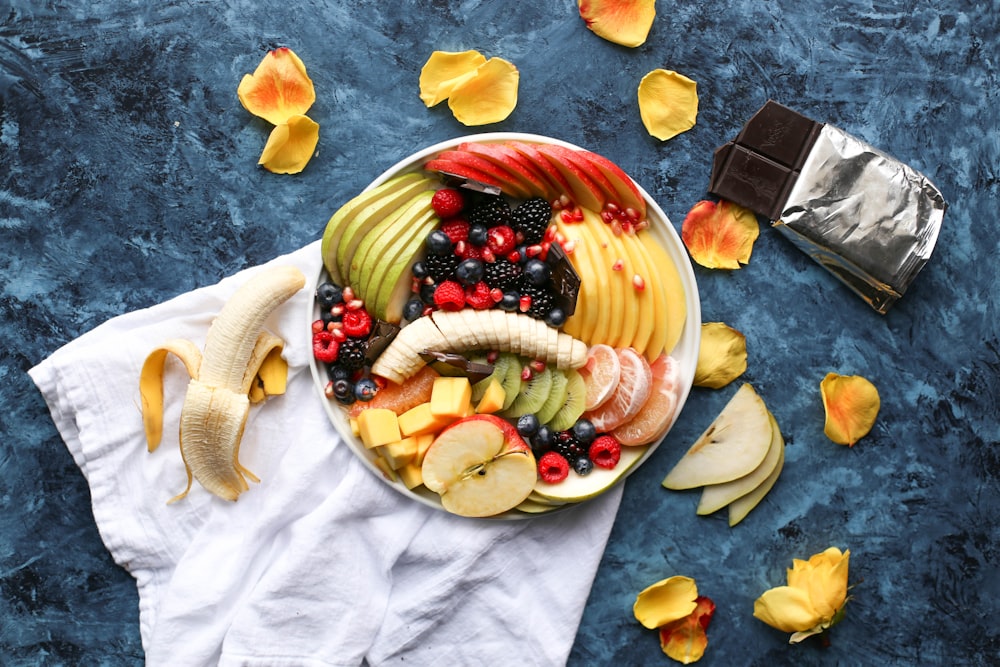
Just as important as what you add is what you reduce. These categories consistently show up in research as inflammation-promoting:
Added Sugar and Refined Carbohydrates
Sugary drinks, pastries, and white bread cause rapid blood sugar spikes, which research links to increased inflammatory signaling over time.
Industrial Seed Oils
Highly processed oils like soybean and corn oil are extremely high in omega-6 fatty acids. In excess — and without enough omega-3 to balance them — some research suggests this imbalance may contribute to inflammatory processes, though this remains an area of ongoing scientific debate.
Processed and Cured Meats
Bacon, sausages, and deli meats are associated with elevated inflammatory markers, likely due to a combination of saturated fat, sodium, and preservatives called nitrates.
Refined Grains
White rice, white flour, and most packaged snack foods lack the fiber that helps regulate blood sugar and feed beneficial gut bacteria.
Excess Alcohol
While moderate intake effects are debated, heavy or regular drinking is consistently linked to gut lining damage and systemic inflammation.
Eat This, Not That: Quick Comparison
| Category | Choose | Limit |
|---|---|---|
| Fats | Olive oil, avocado, nuts | Soybean oil, margarine, fried foods |
| Protein | Salmon, sardines, legumes, poultry | Bacon, sausage, deli meats |
| Carbohydrates | Oats, quinoa, sweet potatoes | White bread, pastries, sugary cereal |
| Beverages | Water, green tea, black coffee | Soda, energy drinks, sweetened juice |
| Snacks | Berries, walnuts, hummus with veggies | Chips, candy, packaged cookies |
| Dairy | Plain yogurt, kefir | Sweetened flavored yogurt, processed cheese |
A Simple 7-Day Anti-Inflammatory Meal Plan
You don't need to overhaul your entire diet overnight. Here's a realistic, budget-friendly template you can adapt to your own tastes and schedule.
Day 1: Oatmeal with walnuts and blueberries · Grilled chicken salad with olive oil dressing · Baked salmon with roasted broccoli
Day 2: Greek yogurt with berries and chia seeds · Lentil soup with side salad · Turkey and vegetable stir-fry
Day 3: Veggie omelet with spinach · Quinoa bowl with chickpeas and tahini · Grilled mackerel with sweet potato
Day 4: Smoothie with spinach, banana, and flaxseed · Tuna salad on whole grain bread · Stir-fried tofu with mixed vegetables
Day 5: Overnight oats with almond butter · Grilled shrimp over greens · Baked chicken with roasted vegetables
Day 6: Avocado toast on whole grain bread with a side of berries · Chickpea and vegetable curry · Salmon with asparagus
Day 7: Chia pudding with mixed berries · Leftover curry or soup · Grilled vegetable and hummus wrap
Beyond Diet: Lifestyle Factors That Matter Just as Much
Diet is a powerful lever, but it's not the only one. Research consistently shows that these factors work alongside food choices to influence inflammation:
Prioritize Sleep
Aim for seven to nine hours of consistent, quality sleep. Even short-term sleep restriction has been shown to raise inflammatory markers in otherwise healthy people.
Move Regularly
You don't need intense exercise. Moderate activity like brisk walking, cycling, or swimming for at least 150 minutes a week has well-documented anti-inflammatory effects.
Manage Stress
Chronic stress keeps the body's inflammatory pathways activated. Simple practices — deep breathing, time outdoors, journaling, or short daily walks — can meaningfully lower baseline stress over time.
Maintain a Healthy Weight
Because fat tissue is metabolically active, even modest weight loss (5–10% of body weight) has been shown to reduce circulating inflammatory markers in people who are overweight.
Support Your Gut Microbiome
A growing body of research links gut bacteria diversity to systemic inflammation. Fiber-rich foods, fermented foods like yogurt and kimchi, and reduced processed food intake all support a healthier gut environment.
Frequently Asked Questions
What foods fight inflammation the fastest?
Fatty fish like salmon, leafy greens, berries, extra virgin olive oil, and turmeric are among the most researched foods for lowering inflammatory markers. Consistency matters more than any single meal — measurable changes in markers like CRP typically take two to six weeks of regular intake.
How long does it take to reduce inflammation through diet?
Most people notice reduced bloating and improved energy within one to two weeks. Blood markers such as C-reactive protein typically show measurable improvement after four to eight weeks of consistent dietary change combined with better sleep and regular movement.
Is the anti-inflammatory diet the same as the Mediterranean diet?
They overlap heavily but are not identical. The Mediterranean diet is a specific regional eating pattern that happens to be anti-inflammatory, while an anti-inflammatory diet is a broader framework that can be applied to many cuisines by emphasizing whole foods and limiting processed ingredients.
Can an anti-inflammatory diet help with joint pain and arthritis?
Research suggests dietary changes can meaningfully reduce joint pain in people with inflammatory arthritis, particularly by increasing omega-3 intake and reducing omega-6-heavy processed oils. It is not a replacement for medical treatment but is often recommended as a supportive strategy alongside it.
What drinks should I avoid on an anti-inflammatory diet?
Sugar-sweetened sodas, energy drinks, and excessive alcohol are the biggest offenders. Sugary beverages are among the most consistently linked dietary factors to elevated inflammatory markers in observational studies.
The Bottom Line
An anti-inflammatory diet isn't a rigid program with strict rules and forbidden foods — it's a shift in emphasis. You're not eliminating entire food groups or chasing a single miracle ingredient. You're simply choosing whole, minimally processed foods more often than not, and building meals around vegetables, healthy fats, and quality protein.
The people who see the best long-term results aren't the ones who follow the plan perfectly for two weeks and quit. They're the ones who make small, sustainable swaps — olive oil instead of vegetable oil, berries instead of candy, a walk instead of another hour on the couch — and let those changes compound over months and years. That's really what fighting chronic inflammation comes down to: not perfection, but consistency.
This article is for informational purposes only and is not a substitute for professional medical advice, diagnosis, or treatment. Always consult a qualified healthcare provider before making significant changes to your diet, especially if you have an existing health condition or take medication.