
Vitamin B12 Deficiency: 8 Signs Most People Mistake for Something Else

Unexplained exhaustion and brain fog are among the most commonly overlooked signs of low B12.
Quick Answer
Vitamin B12 deficiency happens when your body doesn't get or absorb enough B12 to support red blood cell production and nerve function — commonly from a plant-based diet, aging, certain medications, or digestive conditions that block absorption. The most common signs are fatigue, brain fog, tingling in the hands or feet, a sore tongue, and mood changes. Most people improve within weeks using B12 supplements or injections, along with more B12-rich or fortified foods.
My uncle spent almost two years convinced he was developing early dementia. He'd lose his train of thought mid-sentence, forget where he'd parked, and once got genuinely lost driving a route he'd taken a thousand times. He's in his late 60s, so everyone — including him — quietly assumed it was just age catching up. It wasn't until a persistent tingling in his feet sent him to a neurologist that anyone thought to check his B12. It came back at 148 pg/mL, well below the normal range. After a few months of B12 injections, the fog lifted almost completely. He still talks about how unsettling it was to think he was losing his mind over something a simple shot could fix.
B12 deficiency is sneaky like that. It builds slowly, mimics other conditions — anxiety, depression, early cognitive decline, chronic fatigue syndrome — and because your body stores several years' worth of B12 in the liver, it can take a long time before a deficiency even shows up on a test. By the time it does, symptoms are often well underway.
What Does Vitamin B12 Actually Do?
Vitamin B12 (cobalamin) is essential for producing healthy red blood cells, maintaining the protective myelin sheath around your nerves, and supporting DNA synthesis. Unlike most other B vitamins, your body can store several years' worth of B12 in the liver, which is exactly why deficiency tends to develop slowly and can be hard to catch early — by the time stores run low, the effects have often been building quietly for a long time.
Because B12 is so tightly linked to nerve health, prolonged deficiency can eventually cause nerve damage that doesn't fully reverse, which is part of why catching it early matters more than with some other nutrient gaps.
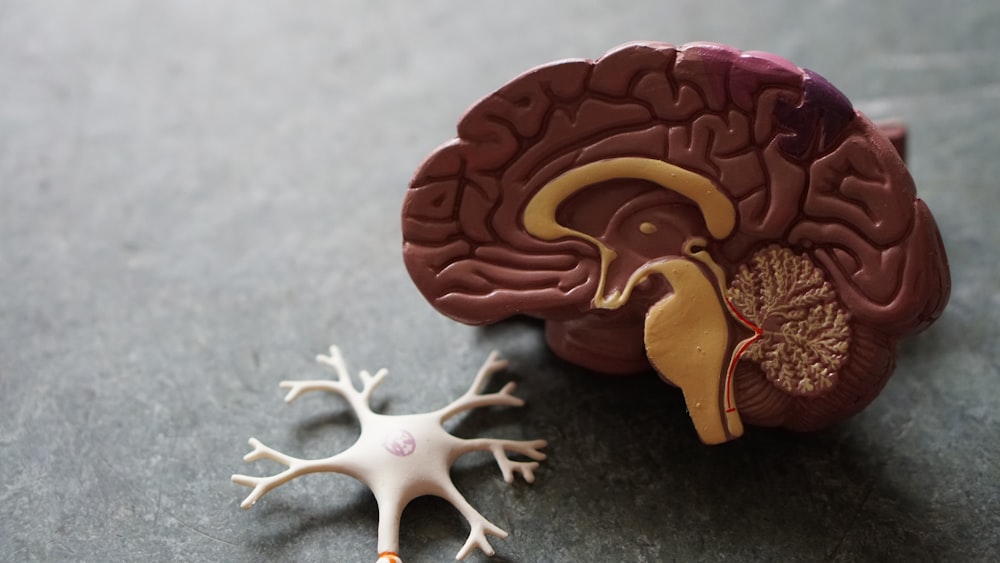
Tingling or numbness in the hands and feet is a classic sign of B12-related nerve involvement.
What Are the Symptoms of B12 Deficiency?
Because B12 deficiency affects both blood cells and the nervous system, symptoms can show up in two different categories, and people don't always get both.
- Persistent fatigue and weakness — often one of the first and most noticeable signs, tied to fewer healthy red blood cells carrying oxygen.
- Brain fog and memory lapses — trouble concentrating, forgetfulness, or a general mental "fuzziness."
- Tingling or numbness — a pins-and-needles sensation in the hands or feet, caused by nerve involvement.
- Balance problems — unsteadiness or difficulty walking in more advanced cases.
- Sore, red, or unusually smooth tongue — a lesser-known but fairly specific sign called glossitis.
- Pale or slightly yellow-tinged skin — related to reduced red blood cell production.
- Shortness of breath and dizziness — especially with exertion, tied to mild anemia.
- Mood changes — irritability, low mood, or in some cases symptoms that mimic depression.
What makes this list tricky is how easily each symptom gets explained away individually — fatigue gets blamed on poor sleep, brain fog on stress, tingling on "sleeping on your arm wrong." It's the combination and persistence of these signs that should raise a flag.
Who's Most at Risk of B12 Deficiency?
Vegans and vegetarians
B12 is naturally found almost exclusively in animal products — meat, fish, eggs, and dairy. Anyone eating a fully plant-based diet without consistent fortified foods or supplementation is at meaningfully higher risk.
Adults over 50
Stomach acid, which is needed to release B12 from food so it can be absorbed, naturally declines with age. This is one of the most common causes of deficiency in older adults, even among those who eat plenty of meat and dairy.
People taking metformin or acid-reducing medications
Metformin, one of the most commonly prescribed medications for type 2 diabetes, is known to reduce B12 absorption over long-term use. Proton pump inhibitors and other acid-reducing medications have a similar effect, since stomach acid plays a key role in B12 absorption.
People with digestive conditions or a history of gastric surgery
Crohn's disease, celiac disease, and weight-loss surgeries like gastric bypass can all significantly impair B12 absorption, regardless of how much B12 is in the diet.
People with pernicious anemia
This autoimmune condition attacks the stomach cells that produce a protein called intrinsic factor, which is required to absorb B12. It's one of the more serious causes of deficiency and typically requires lifelong B12 injections rather than oral supplements.
How Is B12 Deficiency Diagnosed?
A standard blood test measuring serum B12 is the most common first step, though it isn't perfect — levels in the "low normal" range can still come with symptoms in some people. When results are ambiguous, doctors sometimes order additional markers like methylmalonic acid (MMA) or homocysteine, which tend to rise when B12 is functionally low even if the standard test looks borderline.
| Blood Level (pg/mL) | Classification | What It Means |
|---|---|---|
| Below 200 | Deficient | Treatment typically recommended, especially with symptoms present |
| 200–300 | Borderline / low-normal | May still cause symptoms; further testing (MMA, homocysteine) often useful |
| 300–900 | Normal | Generally considered a healthy, adequate range |
| Above 900 | High | Usually from supplementation; rarely a concern on its own |
How Do You Fix Low B12?
1. Eat more B12-rich foods

Animal products like fish, eggs, and dairy are the most concentrated natural sources of B12.
| Food | B12 per Serving | % Daily Value (approx.) |
|---|---|---|
| Clams, cooked (3 oz) | 84 mcg | 3,500% |
| Beef liver (3 oz) | 70 mcg | 2,900% |
| Salmon, cooked (3.5 oz) | 4.8 mcg | 200% |
| Fortified nutritional yeast (2 tbsp) | 7.8 mcg | 325% |
| Egg (1 large) | 0.6 mcg | 25% |
| Fortified plant milk (1 cup) | 1–3 mcg | 40–125% |
2. Choose the right supplement or treatment
For diet-related deficiency, an oral B12 supplement — usually in the form of cyanocobalamin or methylcobalamin — taken daily is often enough to correct levels over a few weeks. For deficiency caused by absorption problems, like pernicious anemia or gastric surgery, oral supplements may not be reliably absorbed, and B12 injections are typically the more effective route, at least initially.
3. Retest to confirm progress
Because B12 stores rebuild gradually, most doctors recommend retesting after 8–12 weeks of consistent treatment to confirm levels are moving in the right direction, then adjusting the dose or delivery method as needed.
A Quick Gut Check
If you're vegan or vegetarian, over 50, taking metformin, or have any digestive condition affecting absorption — and you've been dealing with fatigue, brain fog, or tingling that doesn't have an obvious explanation — B12 is a cheap, low-risk thing to rule out before assuming something more serious is going on.
Can You Take Too Much B12?
B12 is water-soluble, meaning your body excretes what it doesn't need through urine, and no established upper limit exists because toxicity is exceptionally rare, even at high supplemental doses. That said, very high doses aren't necessarily beneficial either — more isn't automatically better once your levels are in a healthy range, so most people don't need to supplement indefinitely at high doses once symptoms resolve and levels normalize.
Frequently Asked Questions
What are the early warning signs of B12 deficiency?
Early signs include persistent fatigue, mild memory lapses or brain fog, tingling or numbness in the hands and feet, a sore or unusually smooth tongue, and mood changes. These often develop gradually over months or years.
Who is most at risk of vitamin B12 deficiency?
Vegans and vegetarians, adults over 50, people taking metformin or acid-reducing medications long-term, people who have had gastric surgery, and those with autoimmune conditions like pernicious anemia face the highest risk.
Can B12 deficiency be reversed?
Yes, in most cases. Mild to moderate deficiency typically improves within a few weeks of oral supplementation or injections. Long-standing neurological symptoms may take longer to resolve or, in rare severe cases, may not fully reverse.
Is B12 deficiency common in vegetarians?
Yes. Since B12 is found almost exclusively in animal products, vegetarians and especially vegans have a significantly higher risk unless they eat fortified foods or supplement consistently.
How much B12 do you need per day?
Most adults need about 2.4 micrograms per day. Pregnant and breastfeeding individuals need slightly more, and people with absorption issues often need much higher supplemental doses to maintain normal blood levels.
The Bottom Line
Vitamin B12 deficiency has a way of hiding in plain sight, mimicking everything from anxiety to early cognitive decline. Because your body stores it for years, by the time symptoms appear, the deficiency has often been building for a while — which makes early testing genuinely worthwhile if you fall into a higher-risk group. The fix, in most cases, is refreshingly simple: consistent supplementation, fortified or animal-based foods, and a follow-up test to confirm you're back on track. My uncle's turnaround is proof of how dramatic that recovery can feel once the actual cause finally gets addressed.
This article is for informational purposes only and is not a substitute for professional medical advice, diagnosis, or treatment. Always consult a qualified healthcare provider before starting any new supplement regimen, especially if you take medication or have an existing health condition.