
How to Lower Cholesterol Naturally: 15 Foods & Habits That Actually Work
Quick Answer
You can lower LDL ("bad") cholesterol naturally by eating more soluble fiber (oats, beans, apples), swapping saturated fats for unsaturated ones (olive oil, nuts, fatty fish), exercising 150 minutes a week, losing excess weight, and cutting back on trans fats and added sugar. Most people see noticeable improvement in 4 to 12 weeks.
If your last blood panel came back with a cholesterol number circled in red, you're not alone — and you're probably not doomed to a lifetime of medication, either. Cholesterol gets a bad reputation, but the truth is more nuanced: your body actually needs cholesterol to build cells and hormones. The problem isn't cholesterol itself; it's when LDL ("bad" cholesterol) climbs too high relative to HDL ("good" cholesterol), quietly building plaque inside your arteries over years.
The encouraging part is that cholesterol responds fast to lifestyle changes — often faster than blood pressure or blood sugar. This guide walks through exactly which foods to eat more of, which to cut back on, and which daily habits move the needle, based on how doctors and dietitians actually approach this problem in 2026.
Understanding Your Numbers First
Before changing anything, it helps to know what you're working with. A standard lipid panel measures four things: total cholesterol, LDL, HDL, and triglycerides. Here's a general reference range used by most clinicians:
| Marker | Optimal | Borderline | High Risk |
|---|---|---|---|
| Total Cholesterol | Below 200 mg/dL | 200–239 mg/dL | 240+ mg/dL |
| LDL ("bad") | Below 100 mg/dL | 100–159 mg/dL | 160+ mg/dL |
| HDL ("good") | Above 60 mg/dL | 40–59 mg/dL | Below 40 mg/dL |
| Triglycerides | Below 150 mg/dL | 150–199 mg/dL | 200+ mg/dL |
Notice that HDL works in reverse — higher is better. That's why the goal isn't just "lower cholesterol" broadly; it's lowering LDL and triglycerides while raising or maintaining HDL.
1. Load Up on Soluble Fiber

Soluble fiber is the single most well-studied natural cholesterol reducer. It forms a gel in your digestive tract that binds to cholesterol particles and carries them out of the body before they're absorbed. Oats, barley, beans, lentils, apples, and Brussels sprouts are all excellent sources. Even adding 5–10 grams of soluble fiber a day — roughly a bowl of oatmeal — has been shown to meaningfully reduce LDL.
2. Swap Saturated Fats for Unsaturated Fats
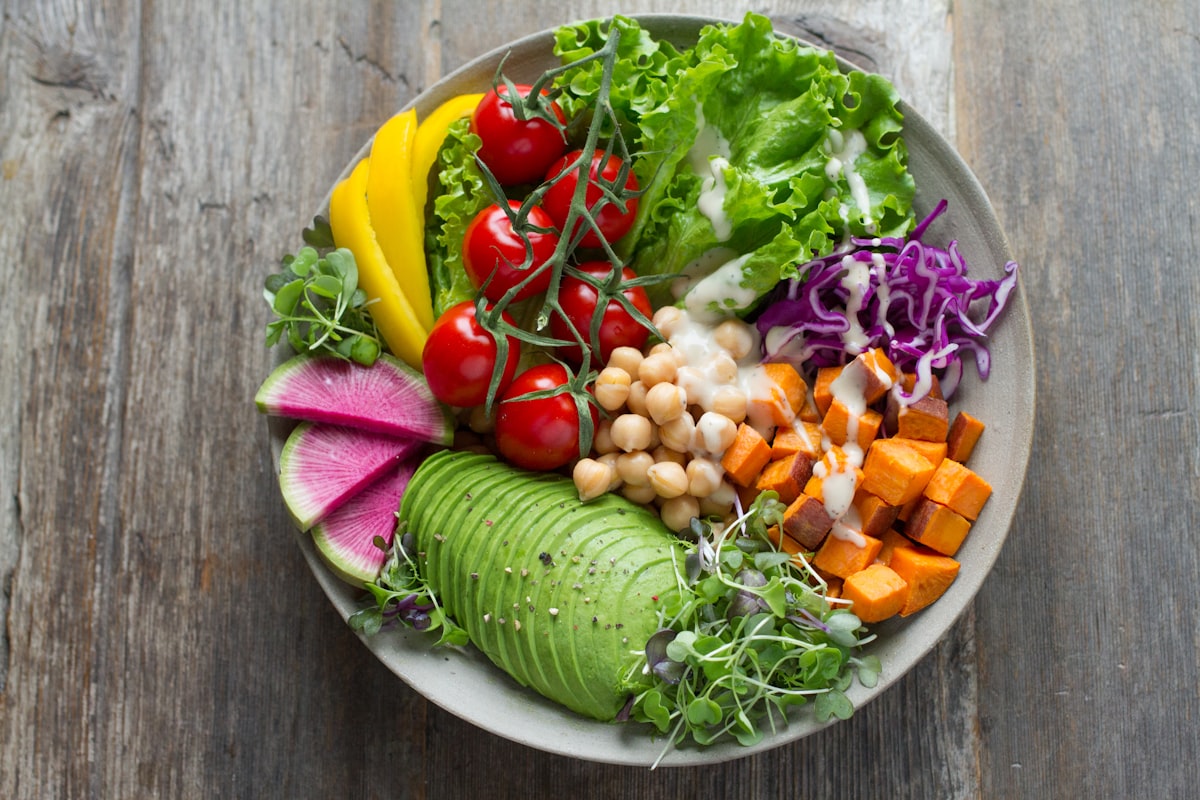
This is less about cutting fat entirely and more about which fats you're choosing. Saturated fat (found in butter, fatty red meat, and full-fat dairy) tends to raise LDL. Unsaturated fats — found in olive oil, avocados, and nuts — don't carry the same effect and may even improve your lipid profile when they replace saturated fat in the diet.
3. Eat Fatty Fish Twice a Week

Salmon, mackerel, sardines, and trout are rich in omega-3 fatty acids, which primarily lower triglycerides and support overall heart health. While omega-3s don't dramatically lower LDL on their own, they're one of the most consistently recommended additions in heart-healthy eating patterns.
4. Add Nuts, But Watch Portions
Almonds, walnuts, and pistachios contain plant sterols, fiber, and unsaturated fats that together support healthy cholesterol levels. A small daily handful (about a quarter cup) is the sweet spot — more than that adds calories without added benefit.
5. Try Plant Sterols and Stanols
Plant sterols and stanols are naturally occurring compounds that block cholesterol absorption in the gut. They're found in small amounts in vegetable oils, nuts, and seeds, and are also added to fortified foods like certain margarines and orange juices. Studies show 2 grams a day can lower LDL by roughly 10%.
6. Cut Back on Trans Fats Completely
Unlike saturated fat, trans fat has no redeeming nutritional value — it raises LDL and lowers HDL at the same time. Check ingredient labels for "partially hydrogenated oils," commonly found in fried fast food, packaged baked goods, and margarine.
7. Move Your Body Most Days

Exercise raises HDL and helps lower triglycerides, particularly aerobic activity like brisk walking, cycling, or swimming. Aim for at least 150 minutes a week — that's just 30 minutes, five days a week. Strength training adds additional metabolic benefits that support long-term weight management, which itself affects cholesterol.
8. Lose Excess Weight, Even a Little
You don't need to hit a "goal weight" to see cholesterol benefits. Losing just 5–10% of body weight has been shown to improve LDL, HDL, and triglyceride levels in people who are overweight.
9. Quit Smoking
Smoking lowers HDL and damages the lining of blood vessels, making it easier for LDL to stick and form plaque. Quitting is one of the fastest ways to raise HDL — improvements can appear within weeks.
10. Limit Added Sugar and Refined Carbs
Excess sugar, especially from sugary drinks and refined carbohydrates, gets converted into triglycerides in the liver. Cutting back on soda, pastries, and white bread in favor of whole grains and naturally sweet foods like fruit can noticeably improve your triglyceride numbers.
11. Drink in Moderation
Alcohol's relationship with cholesterol is complicated and often overstated in older health advice. Moderate drinking has a small, inconsistent link to higher HDL, but excess alcohol raises triglycerides and blood pressure. Current guidance leans toward moderation at most, not initiation for heart benefits.
12. Add Soy Protein to Your Diet
Soy foods like tofu, edamame, and soy milk, when used to replace animal protein, are linked to modest reductions in LDL cholesterol — particularly when they become a regular part of the diet rather than an occasional swap.
13. Cook With Herbs and Spices Instead of Salt-Heavy Sauces
This one supports the broader picture: garlic, turmeric, and green tea have all been studied for mild cholesterol-supportive effects, though the evidence is more modest compared to fiber and fat swaps. Still, replacing processed sauces high in saturated fat and sodium with herb-forward cooking supports overall heart health.
14. Prioritize Sleep
Poor sleep is linked to higher LDL and triglycerides, likely through its effects on stress hormones and appetite regulation. Aiming for 7–9 hours of consistent sleep supports the same metabolic pathways involved in cholesterol regulation.
15. Manage Chronic Stress

Chronic stress raises cortisol, which can indirectly raise cholesterol and triglycerides over time, partly through its effect on appetite and food choices. Practices like walking, meditation, or simply protecting downtime aren't just "nice to have" — they're part of a complete cholesterol strategy.
A Sample Day of Cholesterol-Friendly Eating
| Meal | What to Eat |
|---|---|
| Breakfast | Oatmeal with walnuts, berries, and a drizzle of honey |
| Lunch | Grilled salmon salad with olive oil vinaigrette and avocado |
| Snack | Small handful of almonds and an apple |
| Dinner | Lentil and vegetable stir-fry with brown rice |
| Drink | Green tea or water instead of soda |
When Diet and Exercise Aren't Enough
For some people — especially those with a genetic condition like familial hypercholesterolemia, or very high starting LDL — lifestyle changes alone may not be enough to reach a safe range. That's not a personal failure; it's biology. If you've made consistent changes for 3 months and your numbers haven't moved, it's worth having an honest conversation with your doctor about whether medication should be part of the plan alongside, not instead of, your lifestyle changes.
Want a printable weekly meal plan built around these principles? Check out our related guide on anti-inflammatory eating for more heart-healthy recipes.
Frequently Asked Questions
How long does it take to lower cholesterol naturally?
Most people see measurable LDL improvements within 4 to 12 weeks of consistent dietary and lifestyle changes, though results vary based on starting levels, genetics, and how closely the changes are followed.
Can you lower cholesterol without medication?
Many people with mildly to moderately elevated cholesterol can lower it through diet, exercise, and weight management alone. Those with genetically driven high cholesterol often need medication alongside lifestyle changes.
What foods raise cholesterol the fastest?
Foods high in trans fats and saturated fats — fried foods, processed baked goods, fatty red meat, and excess full-fat dairy — tend to raise LDL the most quickly.
Are eggs bad for cholesterol?
For most healthy people, up to one egg a day doesn't significantly raise blood cholesterol, since dietary cholesterol affects blood cholesterol less than saturated and trans fats do.
Does exercise really lower cholesterol?
Yes. Regular aerobic exercise can raise HDL and help lower LDL and triglycerides, especially when paired with weight loss and dietary changes.
This article is for informational purposes only and is not a substitute for professional medical advice. Always consult your doctor before making significant changes to your diet or starting a new exercise program, especially if you have existing heart conditions or take cholesterol medication.