
15 Foods That Balance Blood Sugar Naturally (Backed by Real Results)
I started paying attention to blood sugar the way most people do — not because a doctor told me to, but because I kept crashing at 3 p.m. every single day. Coffee wasn't fixing it. Naps weren't fixing it. It took a continuous glucose monitor and a few months of trial and error to realize the problem wasn't willpower. It was what I was eating, and more specifically, what I was eating alone, without anything to slow it down.
This guide isn't a lecture about cutting out carbs forever. It's a practical rundown of the foods that actually make a measurable difference, plus the ones that quietly work against you even when they look "healthy" on the label.
Why Blood Sugar Balance Matters Even If You're Not Diabetic
Blood sugar swings don't just affect people with diagnosed diabetes. Sharp spikes and crashes are linked to energy dips, irritability, sugar cravings, and — over years — a higher risk of developing insulin resistance. The good news is that the body is remarkably responsive to food choices. Small, consistent changes tend to compound faster than most people expect.

Even without a monitor, you can often feel the difference within a few weeks.
What Foods Help Balance Blood Sugar Naturally?
1. Leafy Greens (Spinach, Kale, Swiss Chard)
Leafy greens are almost pure fiber and micronutrients with barely any digestible carbohydrate, which means they have minimal impact on blood sugar. They're also rich in magnesium, a mineral tied to how well the body responds to insulin.
2. Fatty Fish (Salmon, Sardines, Mackerel)
Fatty fish delivers protein and omega-3s without any carbohydrate load at all. Meals built around fish tend to produce a flatter, steadier glucose curve than meals built around lean meat alone, largely because of the anti-inflammatory fat content.
3. Legumes (Lentils, Chickpeas, Black Beans)
Legumes combine fiber and plant protein in a way few other foods do. That combination slows digestion significantly, which is why legume-heavy meals tend to produce a much gentler rise in blood sugar than a plate of white rice or bread of similar calorie count.
4. Berries (Blueberries, Raspberries, Strawberries)
Compared to most fruit, berries are lower in sugar and higher in fiber, and they come loaded with polyphenols that some research links to improved insulin sensitivity. A cup of raspberries has more fiber than most people get in an entire day's worth of processed snacks.
5. Nuts and Seeds (Almonds, Walnuts, Chia, Flax)
A small handful of nuts before a carb-heavy meal can blunt the resulting glucose spike. This is one of the easiest, lowest-effort changes to make — and it works because the fat and protein slow gastric emptying.
6. Greek Yogurt (Plain, Unsweetened)
Protein-rich and low in sugar when unsweetened, plain Greek yogurt is one of the better breakfast bases available. Adding cinnamon or a handful of berries makes it more satisfying without adding much sugar.
7. Avocado
Almost entirely fat and fiber, avocado has very little effect on blood sugar on its own and can meaningfully soften the impact of whatever it's paired with — toast, eggs, or a grain bowl.
8. Steel-Cut Oats
Not all oats are equal. Steel-cut oats are less processed than instant oats, which means they digest more slowly and produce a gentler blood sugar response. Adding protein (like a scoop of nut butter) improves this further.
9. Cinnamon
Several small studies have suggested cinnamon may modestly improve insulin sensitivity, though the effect size is far smaller than food companies like to imply. Still, it's a low-risk addition with a pleasant side effect: it makes bland foods taste better without added sugar.
10. Apple Cider Vinegar
A tablespoon of apple cider vinegar diluted in water before a meal has been shown in some studies to modestly reduce the post-meal glucose spike, likely by slowing stomach emptying. It's not magic, but it's a cheap, low-effort habit worth testing.
11. Broccoli and Cruciferous Vegetables
Like leafy greens, cruciferous vegetables are fiber-dense and carbohydrate-light. They also contain sulforaphane, a compound some researchers are studying for its potential role in glucose metabolism.
12. Eggs
Eggs have essentially zero carbohydrate and a strong protein profile, making them one of the most reliable breakfast choices for steady morning energy — especially compared to cereal or pastries.
13. Quinoa
Unlike most grains, quinoa is a complete protein, which means it comes with more staying power than white rice or plain pasta, even though it's still a carbohydrate-containing food.
14. Sweet Potatoes (In Moderation)
Sweet potatoes have a lower glycemic response than white potatoes, particularly when eaten with the skin on and paired with protein or fat.
15. Green Tea
Unsweetened green tea contains catechins that some research associates with modest improvements in insulin sensitivity. It's also a simple swap for sugary drinks, which is often where the biggest win comes from anyway.
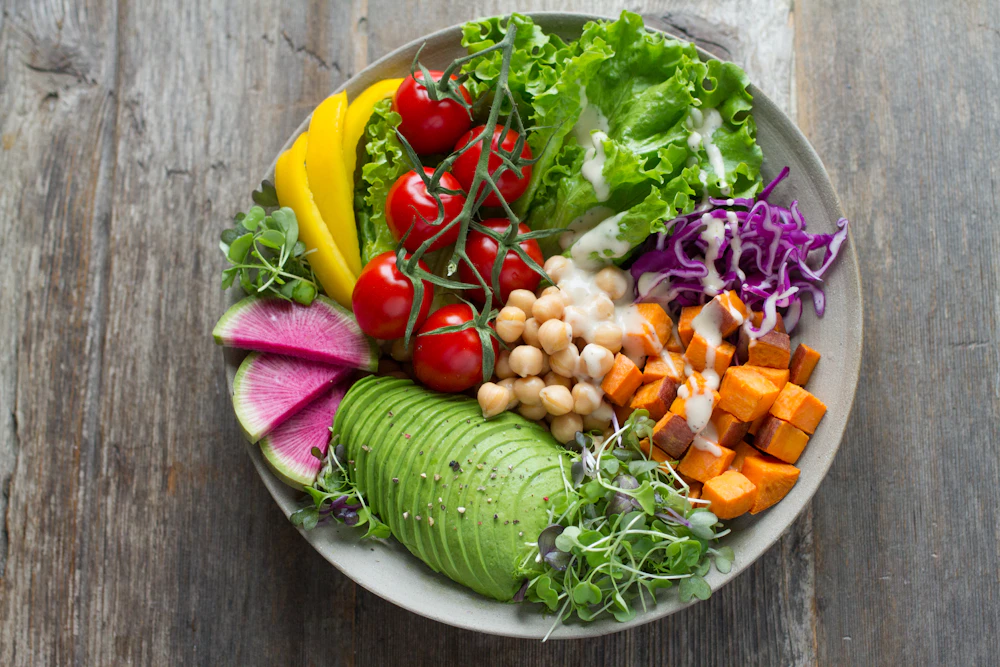
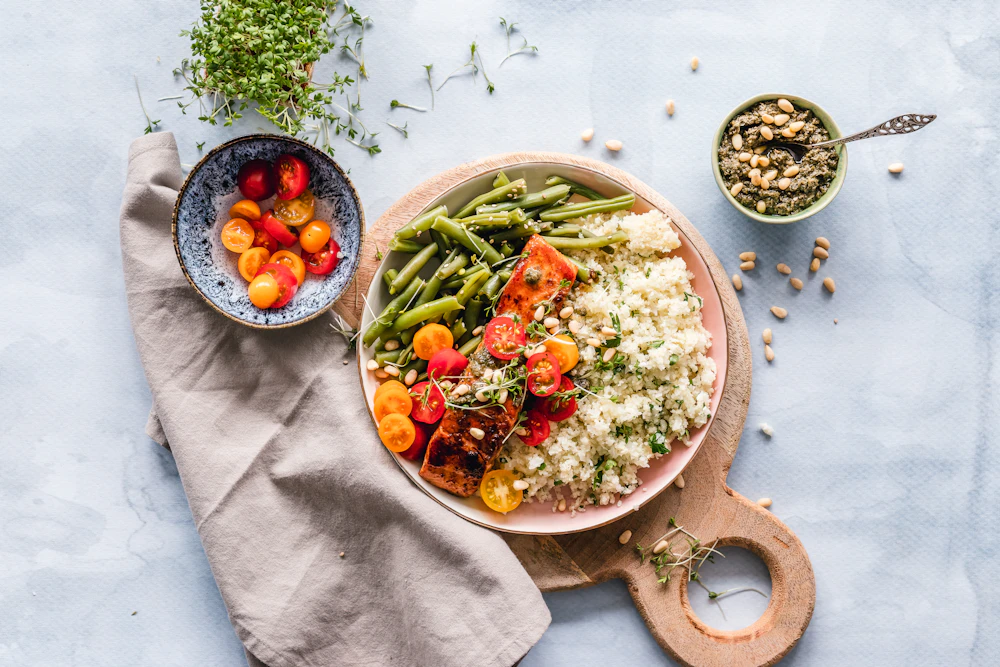
A plate built around fiber and protein does most of the heavy lifting.
Foods That Tend to Spike Blood Sugar Quickly
- Sugary drinks — soda, sweetened coffee, and fruit juice hit the bloodstream fast with nothing to slow them down.
- White bread and refined pasta — stripped of fiber, these break down into sugar quickly.
- Pastries and breakfast cereals — often combine refined flour and added sugar, a particularly fast-acting pair.
- Dried fruit — concentrated sugar with the water removed, easy to overeat.
- White rice in large portions — not harmful occasionally, but a poor foundation for a daily staple.
Low vs. High Glycemic Impact: A Quick Comparison
| Lower Impact Choice | Higher Impact Alternative |
|---|---|
| Steel-cut oats | Instant oatmeal packets |
| Sweet potato (with skin) | Mashed white potato |
| Whole apple | Apple juice |
| Quinoa | White rice |
| Sparkling water | Regular soda |
| Plain Greek yogurt | Flavored, sweetened yogurt |
A Simple One-Day Sample Meal Plan
This isn't a rigid meal plan — it's an example of how the principles above translate into a normal day.
- Breakfast: Two eggs, sautéed spinach, half an avocado
- Snack: A small handful of almonds and a few berries
- Lunch: Lentil salad with olive oil, greens, and grilled salmon
- Snack: Plain Greek yogurt with cinnamon
- Dinner: Grilled chicken, roasted broccoli, a small portion of quinoa
- Drink: Water or unsweetened green tea throughout the day
Other Habits That Support Blood Sugar Balance
Eat in the Right Order
Some research suggests that eating vegetables and protein before starchy carbs — rather than mixing everything together — leads to a noticeably smaller glucose spike from the same meal.
Move After Eating
A 10-to-15-minute walk after a meal can meaningfully lower the resulting blood sugar spike, because working muscles pull glucose out of the bloodstream directly.
Prioritize Sleep
Poor sleep has a well-documented effect on next-day insulin sensitivity, sometimes rivaling the impact of what was actually eaten.
Manage Stress
Chronic stress raises cortisol, which in turn raises blood sugar independent of diet. This is part of why two people can eat identically and see different glucose responses.
A short walk after eating is one of the most underrated blood sugar tools available.
Frequently Asked Questions
What foods bring blood sugar down the fastest?
Non-starchy vegetables, fiber-rich foods like chia seeds, and protein-heavy snacks such as Greek yogurt or nuts tend to have the smallest and slowest impact on blood sugar, which helps keep levels steadier compared to refined carbs.
Can diet alone control blood sugar without medication?
For some people with prediabetes or mild insulin resistance, diet and lifestyle changes can meaningfully improve blood sugar control. However, anyone on medication or with diagnosed diabetes should work with a doctor before changing their treatment plan.
Is fruit bad for blood sugar?
Whole fruit, especially berries and apples with the skin on, generally has a moderate effect on blood sugar because of its fiber content. Fruit juice and dried fruit are more concentrated in sugar and tend to spike blood sugar faster.
How long does it take to balance blood sugar with food changes?
Some people notice steadier energy within a couple of weeks of consistent dietary changes, but meaningful shifts in markers like fasting glucose or A1C usually take 8 to 12 weeks of sustained habits.
The Bottom Line
None of this requires perfection. The foods on this list work because they slow down digestion, provide steady fuel, and don't ask your body to process a flood of sugar all at once. Start with one or two changes — swap instant oats for steel-cut, add a protein to breakfast, take a short walk after dinner — and let the rest follow. Blood sugar balance isn't about eliminating entire food groups; it's about giving your body fewer reasons to spike and crash in the first place.
This article is for informational purposes only and is not a substitute for professional medical advice. Always consult a doctor or registered dietitian before making significant changes to your diet, especially if you have diabetes or another medical condition.